“He Understands Everything I Say!” 6 Pointers to Better Communication


Our vision of the speaker is a fluffy old lady cuddling her equally fluffy old dog. We smirk as she says this - what a lot of nonsense!

But wait! Maybe not so nonsensical!

Recent research has shown that not only do dogs process speech in a similar way to the way we process speech, but they also process emotions in those sounds - just as we do. Their brains are actually wired for sounds the same way ours are - pointing to our common ancestry over 100 million years ago. Add that we have been sharing our lives with each other for the last 18 - 32,000 years and we’ve kinda got used to each other. 

Do you want to bark at your dog?

Many people think that to communicate with their dogs they have to give sharp, abrupt “commands”, eliciting instant compliance. They have been misled by waves of tv personalities who have encouraged this dysfunctional, one-sided, relationship.

While clarity is important to avoid confusion, switching to the sort of conversation we have with our friends and families - especially what we do with as yet non-verbal small children - actually conveys more information to your dog. 

"Dogs and humans share a similar social environment," says Attila Andics of MTA-ELTE Comparative Ethology Research Group in Hungary. "Our findings suggest that they also use similar brain mechanisms to process social information. This may support the successfulness of vocal communication between the two species." 1

If I’ve asked my dog to lie down, and after a while he forgets and moves off, rather than yell DOWN at him, I ask him in a quiet inquisitive voice, “What were you meant to be doing?” My dog pauses for a moment, processes both what he’s heard and the way it was said, and returns to lying down.

“The results do indicate that they don’t just pay attention to who is speaking and their tone of voice – they also, to some extent, hear the words we say.” says Victoria Ratcliffe, Doctoral candidate in Psychology at the University of Sussex. “So even if he doesn’t always respond, he is listening.” 2

We don’t yell single-syllable commands at people the same way we think we’re meant to yell at our dogs. We don’t say to our visitor, “Come in. I said Come in. Come IN! Get through that door NOW!” We focus on making the other person feel comfortable - and may smile, say “Come in,” make a welcoming gesture with our arm, perhaps make a whole body movement while we stand aside for them. It is the entirety of our communication that conveys information to our visitor. Standing rigid while barking abrupt commands would leave your guest confused and alarmed.

Good force-free trainers (not to mention millions of devoted dog-owners) know that speaking to your dog as a person is not only effective at getting your message across, but does it in a way that enhances your relationship while keeping your blood pressure down!

What do I do?

Here are a few steps you can take to change your approach to communicating with your dog.

1. Are you sure he knows what you mean?

Does your dog actually know what SIT means? People often expect their dog to arrive with a load of behaviours installed. Remember that when your new pup arrives, you are getting Dog 1.0 - the basic version, not the pre-programmed one. You have to provide all the add-ons and upgrades!

2. Pair your sound with his action.

The quickest way to teach a dog a word is to pair that word with his action. So you say SIT quietly while his bottom is going to the floor. You are labelling that movement as “sit”. Keep repeating this whenever he sits till he gets it, and you can say SIT and he’ll sit straight away. No need for wagging fingers or menacing body language. Just a soft voice will do.

3. Now you can sound like a human being and not a robot.

Once he’s got this, you can ask him to sit in a pleasant friendly way: “Would you sit over there?” “Sit down now, there’s a good boy.” “Come and sit beside me.” will now all work. I’m not saying he understands every word you are saying, of course, but he will certainly understand the gist and the underlying emotion. He may need to try a couple of things to see if that’s what you want. He may lie down instead of sitting. That’s ok - you’re not in an obedience competition.

4. Zip it!

Say it once, then zip it! Don’t rabbit on, repeating yourself. So if your dog is distracted when you ask him to sit, you don’t need to escalate your “sit, SIT, SIT!” and show frustration. Try a quiet “Did I ask you to sit?” or “What do you think you should do now?” It may amaze you, but you will most likely get a thoughtful response from your dog. Don’t forget to reward him warmly when he obliges!

5. Watch the Children.

Children can undermine your training by endlessly repeating your dog’s name. They like to roll words around in their mouths like fine wine and move into a sing-song litany. They may be “fighting” each other for the pup’s attention, or they may just have slipped into a habit of calling the dog without following through. Fran was continually calling her puppy’s name on one of our Puppy Walks, then ignoring the dog and wandering off. So I called her over and said “Fran,” “Fran,” “FRAN,” “Fran-NEE,” “Fran?” She grumpily said “What?!” It took her very little time to get annoyed and impatient with me, which demonstrated nicely what she was putting her dog through. She was expertly teaching him to ignore not only his name, but anything else she said!

6. Conflicting information.

Evidence that dogs take in the whole picture and not just an isolated sound is that if you make a sound and a signal simultaneously your dog will tend to miss the sound completely and follow the signal. As a non-verbal species dogs have a sophisticated body language to communicate with each other, so when there’s a conflict of information they will tend to choose what they see over what they hear. Hence in no.2 above, focus on the sound and don’t add extraneous body signals. If you always bend over or look like the Statue of Liberty when you say “sit”, your dog is going to be mightily puzzled when you say “sit” without your accompanying movements. You can always add hand signals later if you need them.

Was the Fluffy Old Lady Right?

You may not want to be a fluffy old lady or have a fluffy old dog, but at least that lady and her dog are happy and content with each other!  

Nobody wants to live in a war zone, and not many wish to live in a military bootcamp. More and more countries round the world are declaring dogs and other animals to be sentient beings, not property, and their laws are being changed accordingly. This is a huge advance for our so-called “civilised society”. (Here in the UK, dogs are still possessions, like a chair, or a teapot.)

Cast off the shackles of what some tv “trainers” have advocated, and behave like a friend to your dog, not a prison guard. 


For more insights into communicating with your dog, get our free email course which solves many common puppy and dog problems for you - all without force of any kind.

And if you’ve enjoyed this, you’ll love the ebook series Essential Skills for a Brilliant Family Dog


Is your dog or your little puppy throwing up more challenges than you anticipated? Watch our free Workshop and find how to change things fast!

Sources:

1. Attila Andics, Márta Gácsi, Tamás Faragó, Anna Kis, Ádám Miklósi. Voice-Sensitive Regions in the Dog and Human Brain Are Revealed by Comparative fMRI. Current Biology, February 2014 DOI: 10.1016/j.cub.2014.01.058

2. Victoria F. Ratcliffe, David Reby. Orienting Asymmetries in Dogs’ Responses to Different Communicatory Components of Human Speech. Current Biology, November 2014 DOI: 10.1016/j.cub.2014.10.030
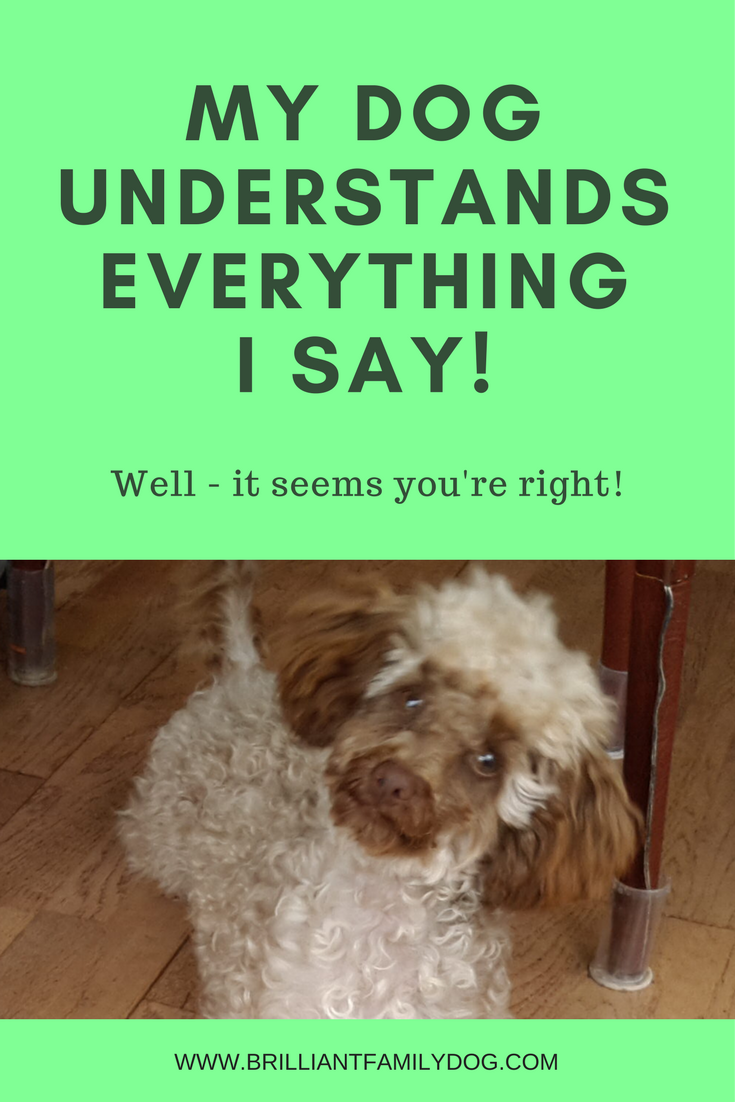
My dog understands everything I say

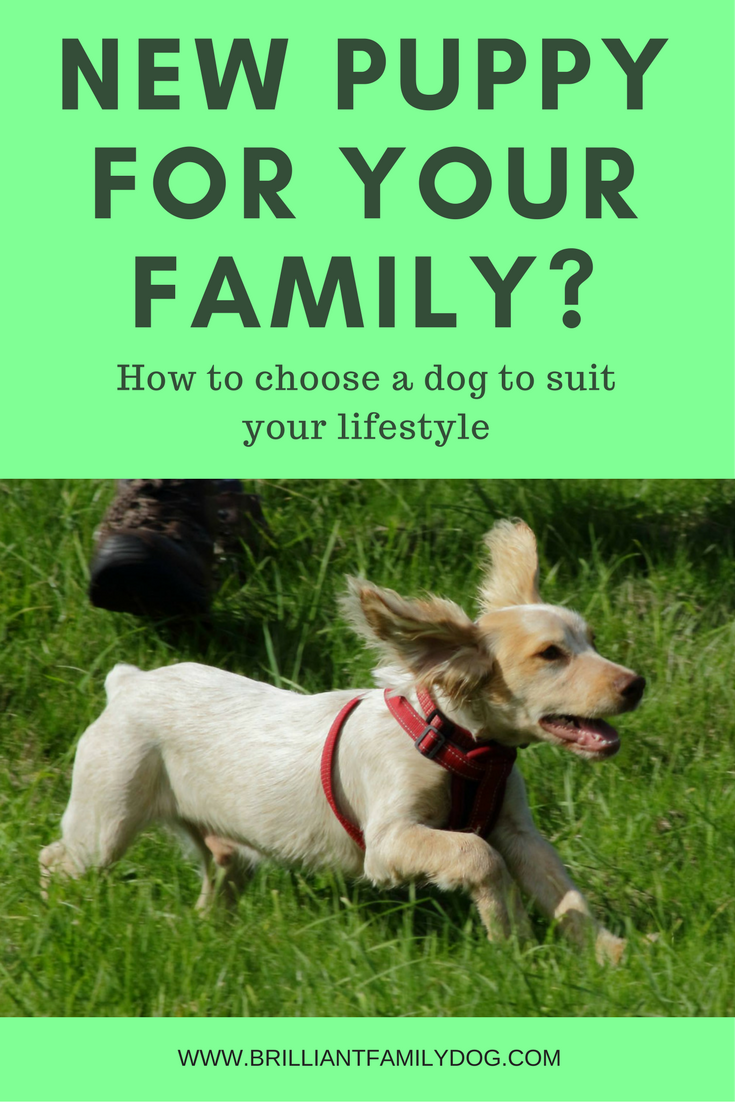
How to choose a dog to suit your lifestyle


“It’s so difficult,” she went on, “he never seems to run out of energy! It’s wearing me out.”

“I guess you were expecting that, as you chose a Working Cocker Spaniel?”

“Oh no - I had no idea! Is that why he’s like he is?”

I wish I had a pound for every time this conversation gets repeated. It’s a shame, because the lady here was well-intentioned. 

Maybe she chose her puppy because she liked his looks; maybe a friend has an older, quieter, spaniel which she liked; maybe it’s because this particular breed is currently fashionable as it has royal approval.

Whatever the reason, she made a wrong choice! For her lifestyle she’d have been better off with a quieter, slower dog, one bred as a pet, not a working breed. 

Working Cockers are smashing little dogs, but they’re bred to go all day in the field, at high speed, through scrub, water - anything they’re put to. Teaching them an off-switch takes some skill. They can even be too much of a handful for some agility enthusiasts, though there’s no doubting their speed and commitment to the task. So this really is unlikely to be a good choice for a first-time puppy-owner - a complete novice with dogs.


What breed is right for me?

There’s no “right breed”. While you can make a general description of a breed’s temperament, there can be huge variation in individuals. The UK Kennel Club has a breed-finder tool which may give you a start. 

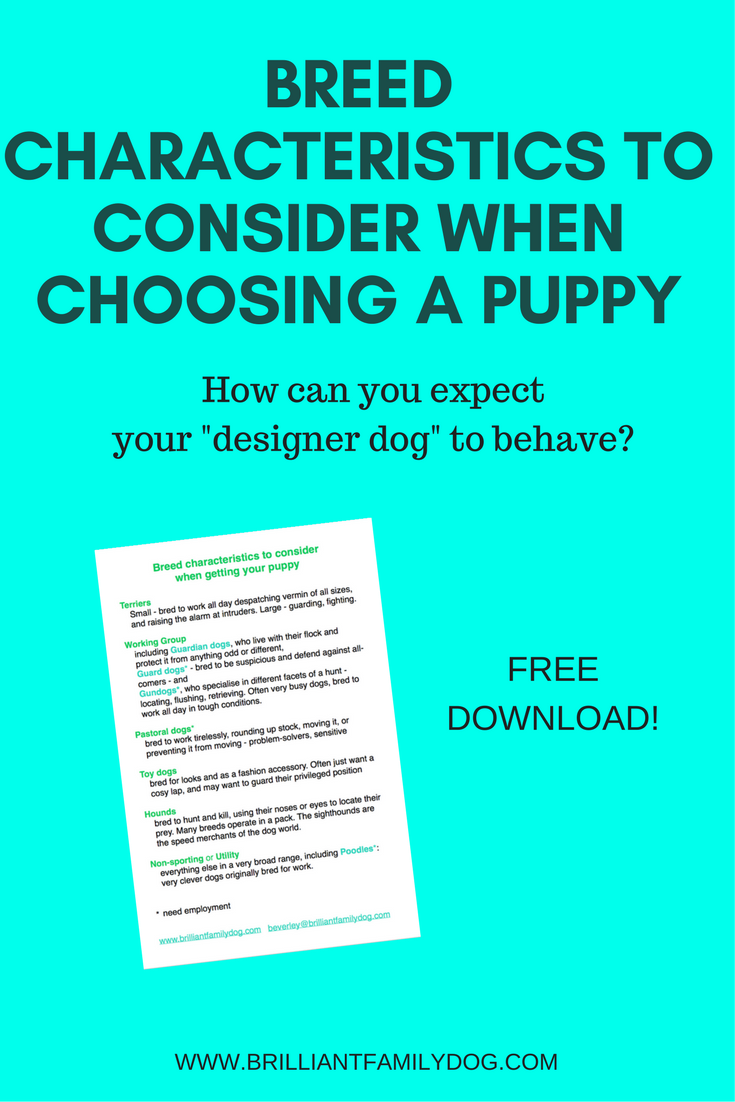
There are, of course, crossbred puppies you’ll find in family homes or in shelters. Then there are the “designer dogs” bred for money. See this article on designer dogs to get an idea of what you may expect there. Don’t get confused over the allergy thing either. If a dog is a cross with a non-shedding breed, there is no guarantee that your puppy will not shed, and may do so plentifully! While these crosses may sound attractive (largely because of their cute names) they may be a mixture of two breeds, neither of which are suitable for your home! Mixing them together is not going to diminish their behavioural characteristics. 

Get our free download to help you see the different characteristics of different breeds - and what a combination could result in!

THIS FREE ECOURSE IS A BONUS FOR YOU WHEN YOU SIGN UP TO RECEIVE EDUCATIONAL EMAILS AND OCCASIONAL OFFERS FROM ME. YOU CAN UNSUBSCRIBE AT ANY TIME.
Privacy Policy

So before you start looking for a breeder for your new dog, you must narrow down the breed or type to fit your requirements. You need to be scrupulously honest about this! Dreaming about 10-mile hikes over the hills, when the last time you walked more than a hundred yards was when the shopping centre car park was particularly full, is unrealistic.

Start from where you are. List what you do now, and what you’d like to do with your dog, and make sure the lists match. If you are particularly houseproud, for instance, it’s important that you choose a dog that doesn’t shed year-round, or fling strings of saliva across the room whenever they shake their head. If your house is tiny, perhaps a tiny dog would be a good option. If you have small children you need a dog with an excellent temperament and an off-switch. While being calm can be taught - there's a book here to take you through the steps - it does help to be working with a puppy whose ancestry allows him to calm down.

If you have a hankering to do agility with your dog - then visit some agility events and talk to the people there. Explain you’re a beginner. You’ll get some very useful advice, and you’ll learn a lot from what you see. You don’t start your car-driving career with a Ferrari, so start with something a bit more biddable and you can grade up to a more energetic individual as you become more skilled.

Whatever puppy you choose, you won’t be doing any of those 10-mile walks for a year or so anyway. Babies need to grow their bones and strengthen their joints and muscles with play and light exercise before building up a training regime.

And, of course, all of this doesn’t only apply to Working Cocker Spaniels! They are a delightful little dog, but like all dogs, they need to be in the right home. 


Homework time

High-energy puppies!

High-energy puppies!

The key message here is to “do your homework”! It’s not fair to your new puppy or dog to have to try and fit into a totally unsuitable home. This will lead to frustration all round. And you may find yourself doubting your decision to get a dog for a companion, which would be very sad. 

By all means go for a rangy working dog that needs a lot of exercise and mental stimulation, if you are able to furnish that. But whatever you choose, do keep in mind that the dog looks as it does because of what it’s been bred to do - through many generations.

There is a splendid sculpture on the hills near my home, of two buzzards landing - claws forward - possibly on their prey. A passer-by said to me, “I don’t like that sculpture - they look too vicious.” No doubt to their prey they do look vicious, but it’s because of their purpose that they look as magnificent as they do to us. They are efficient hunters and killers, and everything about them is designed to make that work. 

Your dog has been bred for purpose. So that efficiency is represented in his shape and behaviour. If you don’t want to bother to train a recall, then avoid a dog that can cover 200 yards in 12 seconds! (Only kidding, you need to train a recall with any dog.)


A dog fit for purpose

And while you’re looking at a dog of any breed, be sure to check up on its parents’ health record. Breed societies and national kennel clubs have stringent guidelines for health assessments for breeding animals. Since the appalling scandal in the UK when it was shown that the majority of Cavalier King Charles Spaniels are affected by a distressing and painful degenerative brain disease, the UK Kennel Club has focussed more on this. See their breed health guidelines here

So some breeds have particular problems with, say, Patella Luxation, Hip Dysplasia, maybe Progressive Retinal Atrophy or other eye problems. You need to have sight of the certificates showing their score on the relevant tests, and know how to understand that score. These tests are not cheap, and breeders who can show you evidence of going to this trouble and expense are demonstrating their care for the animals in their charge. 

And just because you’re getting a crossbreed, with some extra hybrid vigour thrown in, don’t think you can skip these tests! If one parent has poor hips, there will be a high chance of your puppy developing such a condition. Not when he’s old - maybe in his first year.


We owe it to our new charge to ensure the best start possible for him.


There is a dog out there that is perfect for you and your family! Research has never been easier. Spend some time in the planning of your new puppy and that will pay you back for the rest of your dog’s life.


And once you have chosen your new puppy, you can avail of all the resources to help you start right. Check out the other posts under the  Puppies & Dogs tab above, and be sure to start following the free email course for new dog-owners.

Is your dog or your little puppy throwing up more challenges than you anticipated? Watch our free Workshop and find how to change things fast!


How to choose the right dog for your family

Books to help Growly, reactive, fearful, and aggressive dogs


I'm excited to be able to announce the release of my new book series! 

Essential Skills for your Growly but Brilliant Family Dog

Many of you have been waiting for quite a while - so now your patience is rewarded. You can read all about them under the Books tab at the top of the page.


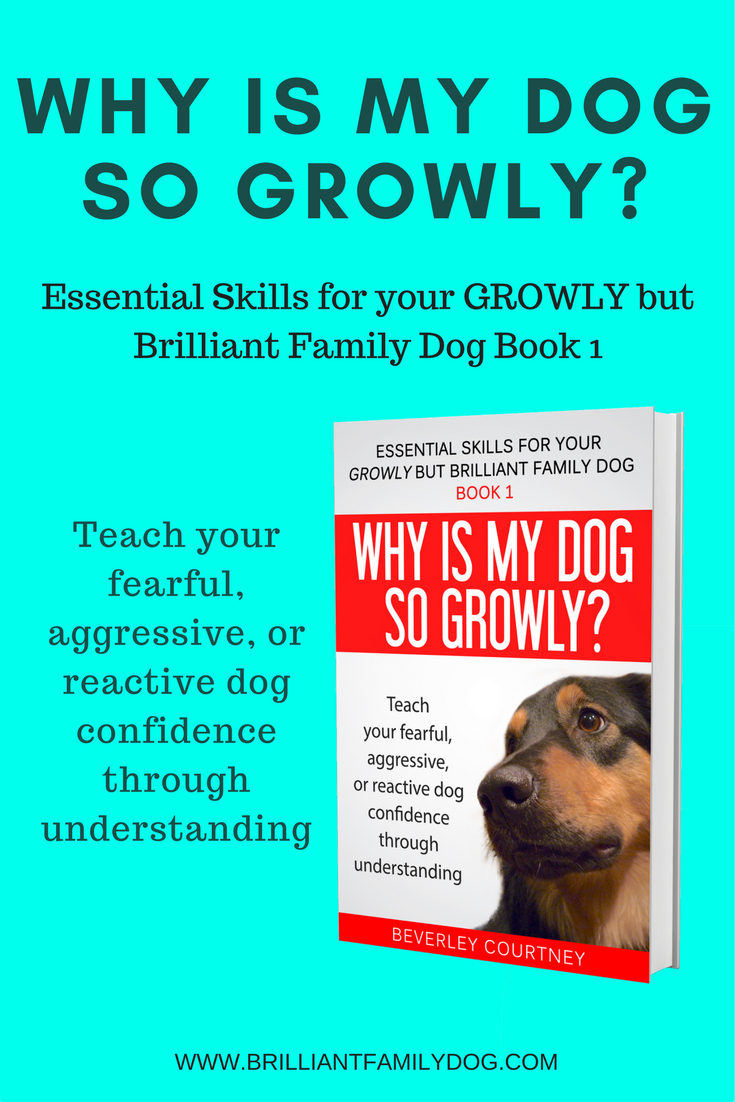
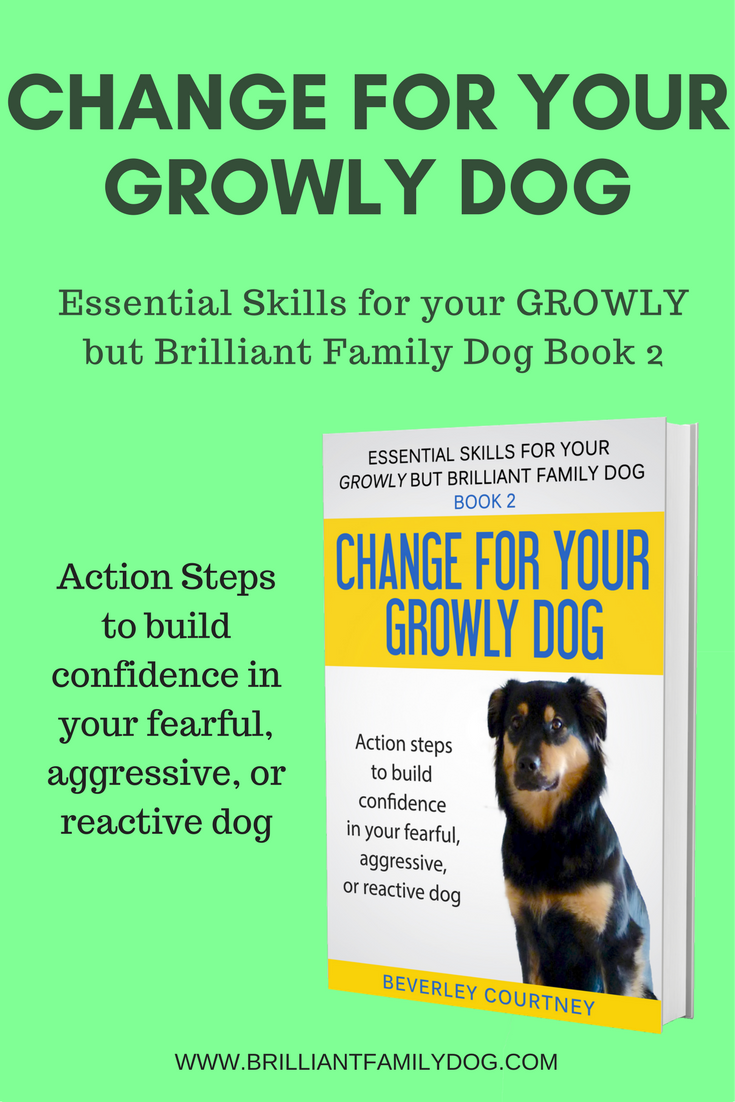
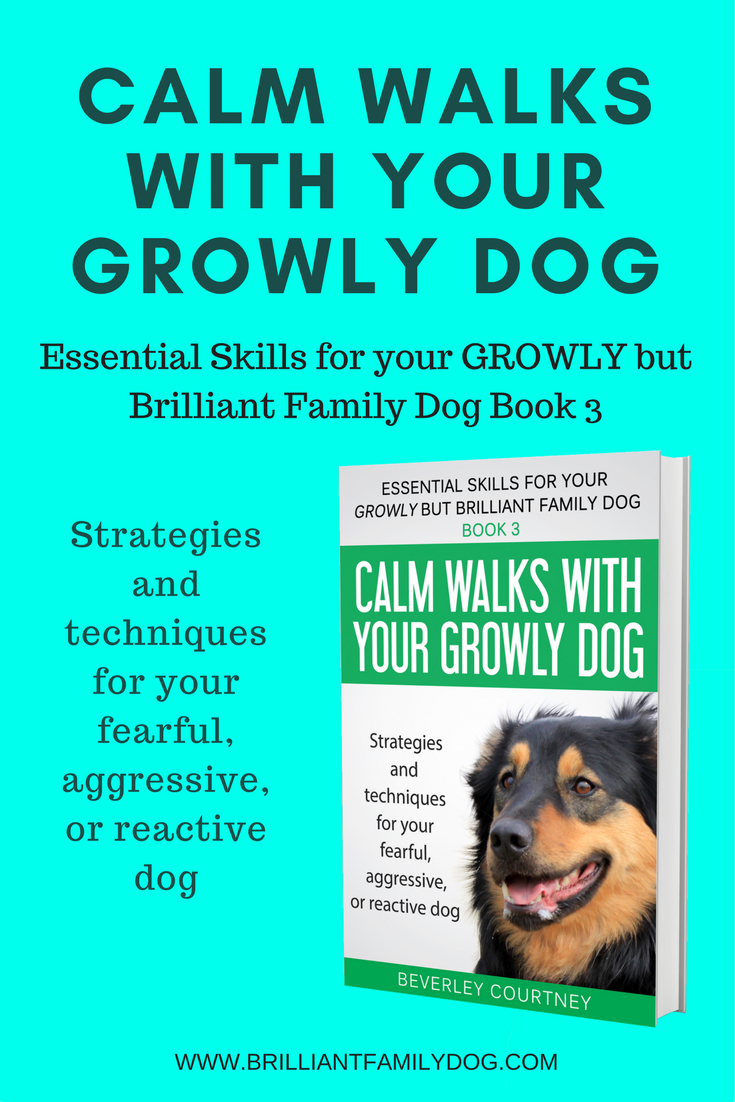
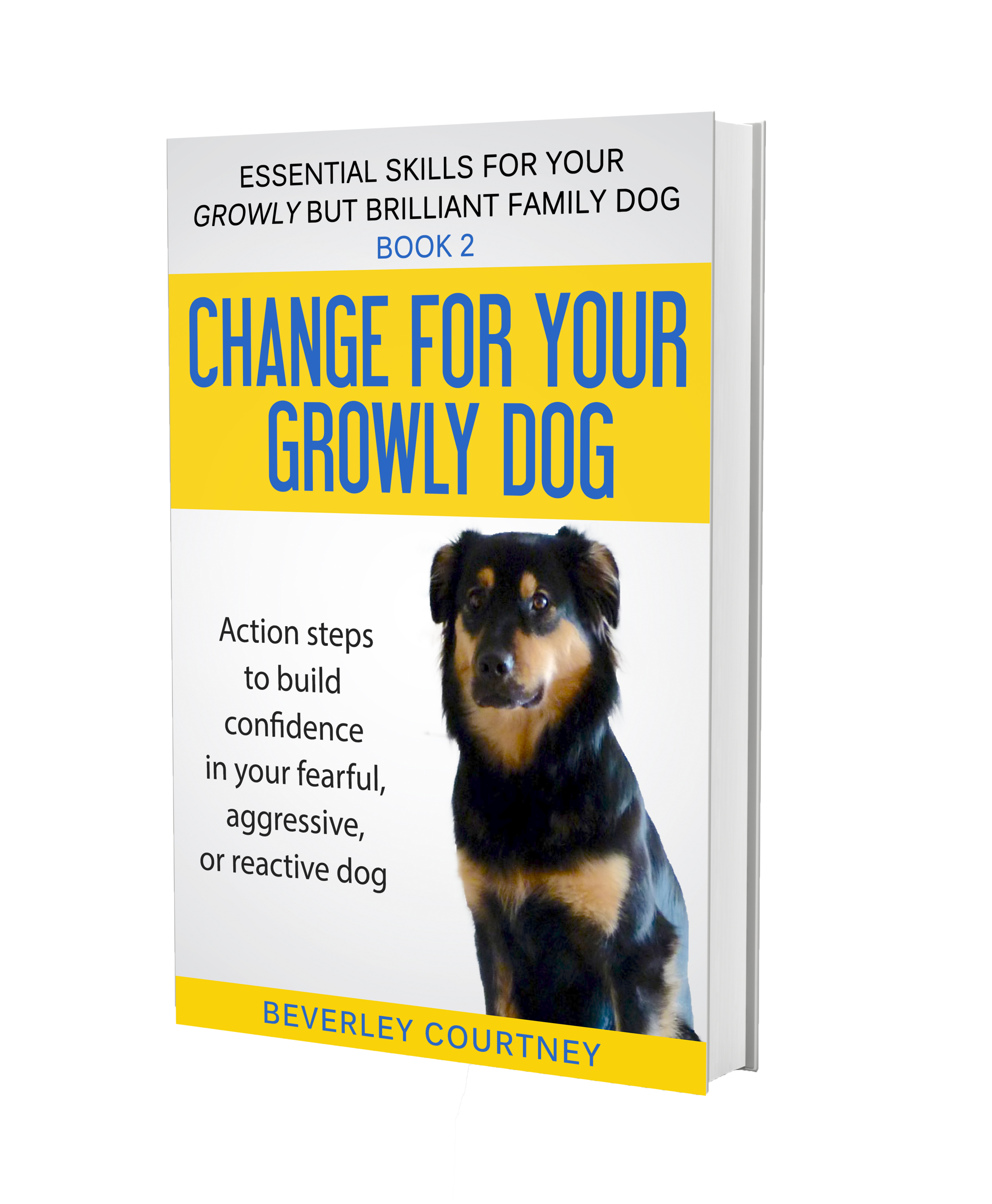
You'll see just how they can help you understand your Growly Dog - why she's doing what she's doing (that's all in Why is My Dog So Growly? Teach your fearful, aggressive, or reactive dog confidence through understanding (Essential Skills for your Growly but Brilliant Family Dog, Book 1) - and how you can change things simply and fast - Book 2 is called Change for your Growly Dog! The third book in the series Calm Walks with your Growly Dog gives you solid techniques for making your walks calm and joyful once more.


You can get them in e-book or paperback format - and no, you don't need a special gadget to read them. Check out Amazon for their free Kindle app which enables you to read any e-book on any device.


They were carefully "tested" on people just like you - who have a dog they love dearly, who is a pet inside the house, then grows horns as soon as you go out!


Have a look at what these readers thought: 


I found the books remarkably accurate with respect to the behaviours that you have outlined. It was like you have been living here and observing our dogs’ behaviour! The way you explain how to train the dogs is in a no-nonsense way that doesn't preach but actually empathises with the problem at hand.

Nazia and her five dogs


I am thoroughly enjoying the books and learning a lot. Really felt as if you were personally talking to me.

Carolyn and Jess


I have enjoyed reading your growly books, and I have learnt an awful lot about dog behaviour. There is so much information in these books that I can see I will be reading them again and again.”

Debbie


I'll let the books speak for themselves


Essential Skills for your GROWLY but Brilliant Family Dog - Book 1
Essential Skills for your GROWLY but Brilliant Family Dog - Book 2” /></div>


<div style= Essential Skills for your GROWLY but Brilliant Family Dog - Book 3

I have a new puppy: will I ever get any sleep again?

New puppy, puppy training, puppy potty training | Four steps to a perfect night's sleep, for you and your puppy | FREE GUIDE! | #newpuppy, #puppytraining, #puppycrying | www.brilliantfamilydog.com


It’s a frequent cry from new puppy-owners. You bring home your cuddly fluffpup - you are overflowing with parental emotions for this little scrap and determined to do the best for her. 

Trouble is, that cuddly fluffpup turns into a screeching monster as soon as you put your head on your pillow. So you go down to see what’s wrong - is she hungry? is she cold? does she need a wee? By the time you’ve exhausted all these possibilities, both you and your puppy are well and truly awake. The puppy is now refreshed and ready to start the day. But it’s half past midnight and you have to be at work tomorrow morning!

This seems to be the stage when one of the pup’s new owners fetches the duvet downstairs and tries to sleep on the sofa. In no time it’s 4 a.m., the puppy is refreshed and you are not. 

Next night you eschew your comfy double bed and start out on the sofa. You wake up hearing chewing and crunching noises as your puppy discovers the interesting textures of your computer cables. And being awake and mobile, she now needs to relieve herself - this bit of carpet will do …

As you stagger into work on the fourth or fifth day you realise that This Is Not Working! That’s when I get a phone call. The caller is usually desperate: sleep-deprived, anxious, guilty, worried, their work is being affected, they see no light at the end of this tunnel. Some people actually return the puppy to the breeder at this stage: really! 

So what’s going wrong?

I often find they have a crate for their dog, but haven’t used it, or they’ve tried using it but won’t shut the door, or it’s in the wrong part of the house. They may think it’s cruel to confine the puppy to a crate - but I can assure you that the breeder confined the puppies (3? 6? 10 of them?) at night! 

Most people are comfortable putting their baby in a cot - for their own peace of mind as well as the babe’s safety. What’s the difference?

The next thing I learn is, “I don’t want the dog in the bedroom”.  

As they are usually at the stage where they are actually paying me to give them a night’s sleep, this is particularly shortsighted.

Your puppy is used to snuggling up with those 3, 6, or 10 warm, furry, littermates - suddenly being alone is a loss and causes fear. 

They’ve also perhaps been making this common mistake, which one desperate terrier-owner told me about: “I come straight downstairs, knock on the door, and tell her to be quiet.” 

Your puppy is not barmy - she’s able to work out that if she barks and wails long enough, someone will respond. Now you’ve told her she just has to keep going for as long as it takes! You’ve made things worse

Blissful, peaceful sleep

DOWNLOAD your guide here to getting a good night’s sleep with your new puppy!

DOWNLOAD your guide here to getting a good night’s sleep with your new puppy!

My own puppies sleep through the night from the day they arrive. They quickly get into a pattern and will be clean and dry by night from anything between 7 and 9 weeks. 

I’ve given my sleep recipe to anyone who has difficulty settling their new pup, and get responses like these:

Have your puppy sleep ALL NIGHT from the first night! Get this free guide to show you how

THIS FREE GUIDE IS A BONUS FOR YOU WHEN YOU SIGN UP TO RECEIVE EDUCATIONAL EMAILS AND OCCASIONAL OFFERS FROM ME. YOU CAN UNSUBSCRIBE AT ANY TIME.
Privacy Policy


“Got a whole night’s sleep last night! Thank you!!” Vizsla puppy 9 weeks


“Good morning Beverley, Just had to let you know that I followed your guidance re settling Gertie at night and we had a peaceful sleep with no crying and no mess in her bed, a very big thank you.” Miniature Dachshund pup 11 weeks


“Your suggestion about the size of the crate worked wonders! No mess in crate this morning.” Labrador pup 14 weeks


Want to know what the secret is?


Here you go: 

1. Use a crate

It doesn’t need to be the size of a ballroom - only big enough for the puppy to get up, turn around, and lie down again. It’s a bed, not a playroom. If you’ve bought a large one because your pup is a large breed but is currently still tiny, you can either buy a crate divider - or simply fill the extra space with cardboard boxes to make a smaller sleeping area. No problem if he chews the boxes. A well-reared puppy will not normally soil his sleeping area (unless very distressed) so this helps with your housetraining program. If you have a whippet, earthdog or other tunnelling breed, provide masses of blankets your pup can burrow into like a hamster, rather than a flat single piece of bedding which will better suit a hot dog like a border collie or a golden retriever.


2. Shut the crate door

Shut the crate for every nap, every sleep, every meal. Never open the crate door if your dog is hollering, “I’m going to get my lawyer if you don’t let me out of here!” Only calm and silence will get that door opened. (Genuine distress is something else, and needs attention - you should be able to distinguish between annoyance and distress with ease.) Darken the room and/or partially cover the crate - this makes it a cosy den. For naps, leave the room and shut the door.


3. Put the crate by your bed at night

Your puppy will hear you breathing and moving, sighing and snoozing. If she wakes up anxious, you can just reach a hand out to touch her through the bars so she is reassured she’s not alone. You’ll hear if she’s genuinely agitated and needs a wee. If you don’t want your dog to sleep in your bedroom, you can move her out again once a pattern is established and she feels confident in her new home and routine.


4. Once pup is in crate, there’s no talk, no interaction

The crate is a quiet area for s-l-e-e-p-i-n-g. And chewing chew toys, and eating meals. It’s not a chatty place. 


Imagine the crate is soundproof - both ways!


You have now taught your dog to relax and settle anywhere she finds her crate. This is invaluable training for the rest of your lives together! No separation anxiety, no pacing and worrying when you holiday in a new place, no danger of damaging the carpets or cables when visiting friends. When your dog goes into her crate, she lies down and sleeps!


Let me know in the comments below how you’re getting on!

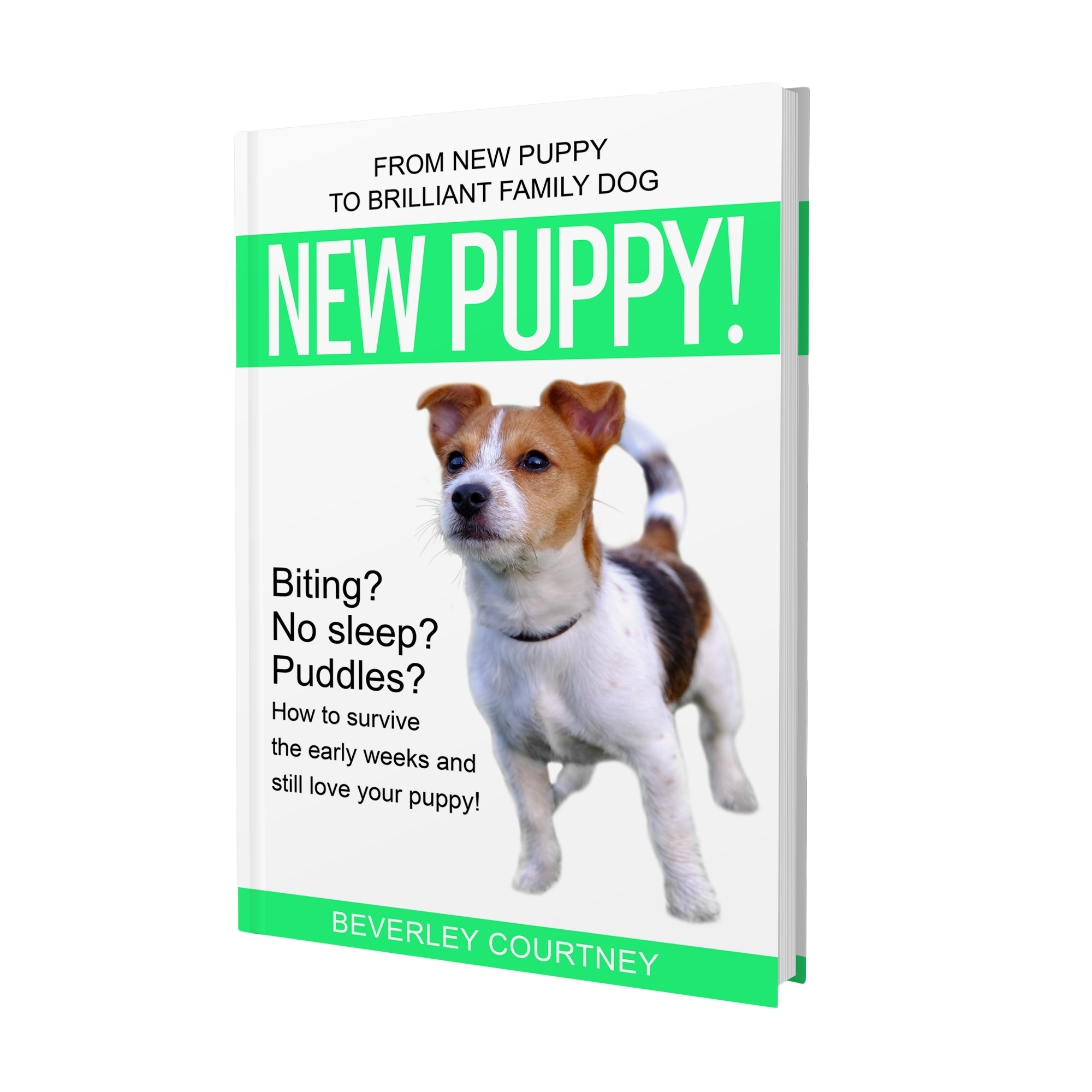
Want a step-by-step guide to everything you need to know about your new puppy? Get New Puppy! here, and start on the right paw!

Once your puppy is about 9 weeks old and has settled in with you, you can start working through the Brilliant Family Dog series of how-to e-books. Everything is broken down for you into little steps - and what’s more, the first book in the series is free! Go get it now.


Try some of our lessons right away - you'll be amazed how quickly your puppy learns!

Can my dog be stressed? Part 2

This post was first published on positively.com and is reprinted here with permission.

Here is the second of three articles based on excerpts from my book, Essential Skills for your Growly but Brilliant Family Dog, Book 1: Why is my dog so growly? - which points out an area which will be affecting your dog mightily. Read the first excerpt here.

While you’re doing your best to improve the situation and you take a look at what may be making things worse, you cannot overlook stress.

  • Stress causes reactions to be exaggerated

  • Stress causes us to snap

  • Stress wears us out

Here’s another area of your dog’s life that may be building stress that may surprise you.

2. Not enough sleep

This one floors so many people! Adult dogs need to sleep 17 hours a day for mental and physical stability. 17 hours a day! Is your dog getting anywhere near 17 hours a day? If your dog paces and runs, chews and barks, jumps and dives, plays and chases all the time at home, he is not living the carefree life you may imagine! I have seen the dramatic improvements that result from getting this one right.

The ability to switch off, to relax and restore, is much sought after by people with enormously busy schedules and responsibilities. The most successful build naps and quiet time into their day as a matter of course - and that downtime is inviolable! They have learnt its importance.

Teaching your dog how to switch off is essential to his mental wellbeing. Some dogs don’t need to learn this! Cricket the Whippet is happy to spend 22 hours a day under a duvet, reserving her activity for mealtimes and short bursts of awe-inspiring speed. But she has an even temperament and no hang-ups over other dogs or people. Nothing even startles her!

But it’s a sure bet that your reactive and anxious dog will keep pacing and worrying and staying on guard-duty all day, unless rest-time is enforced.

Relaxation and sleep

If ever a dog needed its rest and restorative sleep, it’s the growly, fearful, or reactive dog.

Think how you feel when you’re short of sleep and have a challenging day ahead with the family, or at work! You start off on a short fuse, and that may get shorter as the day goes on.

Ensuring your dog gets enough downtime is critically important. It’s often at the root of her troubles. Once she’s getting enough restorative sleep she’ll be better able to cope with all the trials and tribulations of life. As indicated above, dogs need a massive 17 hours of sleep a day for optimal stresslessness. Is your dog getting anything like that? If not, you need to help him into a comfortable routine which does not involve endless pacing and activity.

A quick case study

Have a look at Tim, the rescue Border Collie, who I was visiting to work on his dog reactivity outside the house:

While I was there, it became clear that this hyperactive dog was wearing himself out. For the first twenty minutes of my visit he never stopped. He raced in and out of the room, jumped up my front, my back, chewed my hair, poked the other dog, ran off again, paced … never rested.

So I quickly amended my training plan to include some relaxation work straight away. After some active games to get Tim to engage with me, I started teaching him to slow down and relax. After just five minutes of this, his owner expressed amazement at seeing her frantic dog actually lying down still for more than ten seconds at a time!

When I finished the short session and released him, what did he do? Do you think he went straight back into busybusy mode, panting and racing?

Nope. He just slid onto the floor beside us, and as he lay there his head started to loll, his eyelids drooped, and he was … asleep! To the total astonishment of his owner, who had never seen him sleep in the day.

Want to know what I did to achieve this blissful calm state? See the first book in the Essential Skills for a Brilliant Family DogCalm Down! Step-by-Step to a Calm, Relaxed, and Brilliant Family Dog  to get the exact program. Quite apart from the usefulness of this skill for any dog, anywhere, your reactive dog will hugely benefit.

It's about changing your dog's mental state

Watchpoint: teaching calm and relaxation is not teaching a stay exercise (although you will get a solid stay as a result) with the traditional stern shouting and finger-waving. The object is quite different - to change your dog’s mental state, not to anchor his physical position.

Learning how to switch off can also help with Separation Anxiety. And, of course, your dog will be better able to cope with the challenges he’ll meet outdoors if his nerves aren’t jangling.


Did you find this excerpt interesting? Here's what Book 2 looks like! 

For a free e-course to help remove the stress from your life, and your dog’s life - and news about the new book! - go to www.brilliantfamilydog.com/growly


Can your dog be stressed? Part 2

“Designer Dogs”: what are they really made of?

It’s all the rage - dogs with cute monikers. 

You can find a Jackapoo, Cockerpoo, Labradoodle, Goldendoodle, Jackahuahua, Maltipoo, Puggle, Schnoodle, Cavapoo, Yorkipoo … and I have yet to discover the name of a Shih-Tsu crossed with a Poodle.

In many cases, people are seduced by the cuteness of the name and the celebrities who have also been seduced - and bought one. 

It tends to be first-time puppy buyers who go down this route, as they often have little understanding of breed characteristics. 

It’s not just about looks!

The problem is that as many of the crosses are inappropriate, you end up with a much more challenging dog than if you had gone for either a pedigree dog from a first-class breeder, or a genuine mixed-breed mutt from the shelter.

As a friend put it recently, describing a cocker spaniel x poodle (a so-called “cockerpoo”) she’d met:

“You have a dog who couldn’t care less about people crossed with a dog who wants to rule the world - not a good combination.”

I have found that this tremendously popular cross creates a lot of problems for the new puppy-owners I work with. It’s one of the most difficult crosses to manage and needs skill and knowledge of the characteristic behaviour of both breeds involved. I’m quite sure that the funny name is what has swayed many of these buyers. This is why I never use the cutesy titles people give me for their dog (which they usually say in an exaggerated way and accompanied by a shy giggle “It’s a cockerpooooooo!”). I call them what they are: a spaniel x poodle. That way I can keep their make-up in the front of my mind when working with them.

Oh, and having one parent from a non-shedding breed means you have on average a 50% chance of your puppy being non-shedding, or suitable for allergy-sufferers and the houseproud. Puppies barely shed any hair in the first year anyway, so the new owner doesn’t find out the truth for some time.

New Puppy? New Rescue Dog? | FREE GUIDE TO DOG BREED CHARACTERISTICS | #newpuppy, #puppypottytraining, #puppytraining | www.brilliantfamilydog.com

What happens when you mix them up?

Get our free download
to help you see the different characteristics of different breeds -
and what a combination could result in!

THIS GUIDE IS A BONUS FOR YOU WHEN YOU SIGN UP TO RECEIVE EDUCATIONAL EMAILS AND OCCASIONAL OFFERS FROM ME. YOU CAN UNSUBSCRIBE AT ANY TIME.
Privacy Policy

You need to look at the characteristics of the breeds you are crossing. A terrier, for instance, has been bred for centuries to hunt down and kill small rodents. This is why they are so popular on farms and in stables. They need to have an outlet for this instinctive drive. If you expect them to perch on a velvet cushion all day long because they’ve been crossed with some kind of fluffy, you are going to build up tremendous frustration and conflicts in your little dog.


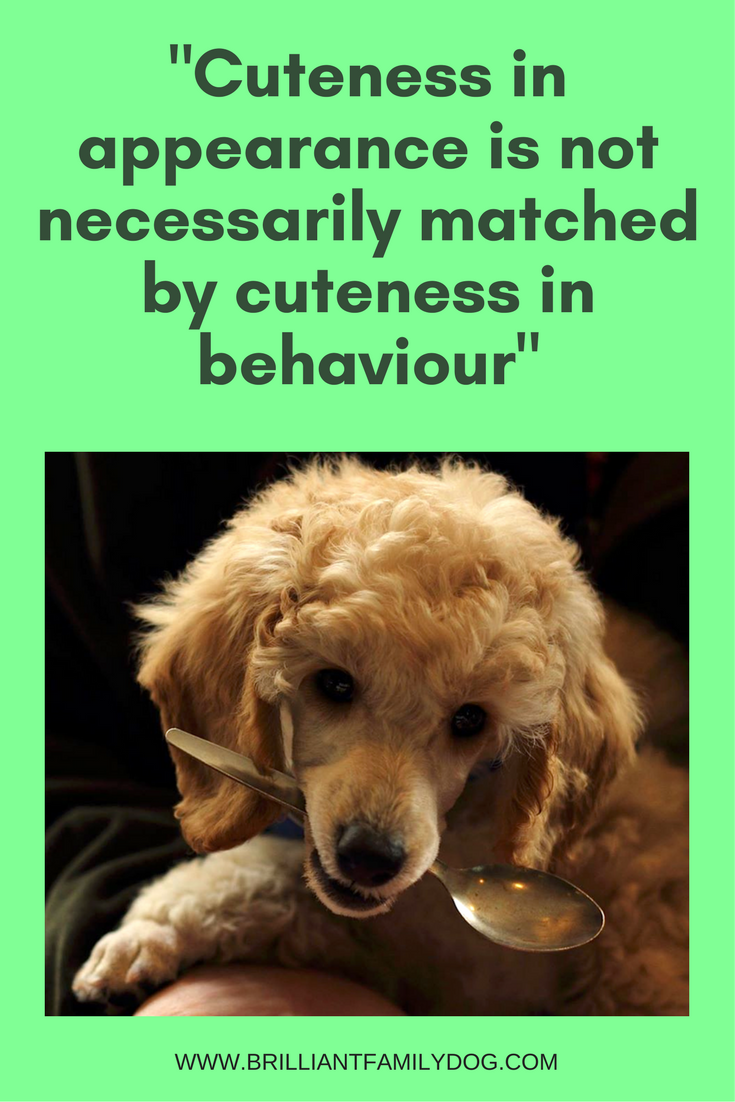
Cuteness in appearance is not necessarily matched by cuteness in behaviour.

We all know people who look just like one parent while having all the personality traits of the other. 

Another friend was toying with the idea of mating his two dogs - a reactive, longhaired, collie bitch and a cuddly, fast, whippet. He thought he would get lots of fluffy cuddly puppies. Genetics is a tricky and unpredictable game - even for those who know a lot about it. I warned him he may instead get a litter of very fast reactive dogs. 

Fortunately he realised that in any case his reactive bitch should not be bred from. “Reactive” is a catchall word for fearful, anxious, defensive. There would be a high likelihood of all the puppies following their mother’s example and being reactive too. The world does not need another six or ten reactive dogs!

And this leads me to the source of most of these “designer” dogs. 

What difference does the breeder make?

Good pedigree breeders spend a lot of time and money on producing the best puppies they can. The genetic testing they do is expensive and time-consuming. They choose pairings with enormous care, studying the history of the lines for behaviour, temperament, and health, and will only breed from the very best. 

They then devote months to caring for the bitch and rearing these puppies in an enriched environment - usually their kitchen and living room - taking special care over their socialisation and temperament, then carefully vetting prospective owners. The best remain available for advice and guidance throughout the life of the dog.

Do you think the same level of attention is given by the puppy farmers who produce many of these crosses? Do you think they pay for those expensive tests? Do you think they start off with the best possible stock? No pedigree breeder would let their puppies go to such a person, so they’re starting off with inferior animals right off the bat.

UK TV Vet Marc Abraham says, “You end up cross-breeding breeds which each often have their own genetic faults. So Labradors are prone to hip problems, and Poodles to eyesight problems. Cross-breed them and you get puppies prone to both conditions.”


Another Frankenstein

While these dogs tend to attract the inexperienced, they are by and large not a dog for the first-time buyer.

Even the person who bred the first, notorious, “Labradoodle” (a mistaken attempt to provide a guide dog for a blind person with allergies), Wally Conron, says, “I opened a Pandora's box, that's what I did. I released a Frankenstein. So many people are just breeding for the money. So many of these dogs have physical problems, and a lot of them are just crazy. I've done so much harm to pure breeding and made so many charlatans quite rich. I wonder whether we bred a designer dog—or a disaster!" 

People will pay absurd amounts of money for these unfortunate puppies. They don’t realise they are being duped by callous people who are cashing in on a craze. They fall for the puppy mill tricks and believe the puppy they’re getting is from the bitch that they’re shown, and reared in the comfortable house they visit. 

Some sharper buyers have doubts, but they still go ahead with the purchase as they want to “rescue” the puppy - thus perpetuating this evil trade.

Sadly, many of these puppies are bred from sickly breeding-machine bitches who are kept caged in appalling conditions, with none of the social environment that makes for a stable and healthy dog. 

The UK Kennel Club, who campaign actively against the puppy farmers, conducted research that indicated that one in five puppies bought via social media or the internet dies before it’s six months old. “It is irresponsible breeding and it is done purely to make money”, says the KC Secretary Caroline Kisko.

Before all you owners of designer dogs berate me in the comments, saying how lovely and healthy your dog is - I can tell you that you are one of the lucky ones. 

So what dog should I get?

There are people who spend more time and attention buying a new washing machine than they devote to choosing the right dog - a real live creature with an individual personality - to share their home for the next 12 - 15 years.

So what options are there for getting a healthy, well-bred, carefully-reared puppy?


1. You can go to a careful, genuine, breeder.

 In the UK the Kennel Club has a list of approved breeders - but you still need to do your own vetting! That’s especially so with a breed that has serious genetic problems, like the Cavalier King Charles Spaniel, at least 70% of whom will have developed a debilitating and painful brain disease by their sixth birthday. 

2. You can get a neighbourhood mutt born to a family pet in a home local to you.

For someone whose beloved family pet has a litter of pups this is the highlight of their year, and massive amounts of time and love will be lavished on the pups. If there is enough cross-breeding there will be plenty of hybrid vigour. You will be able to meet the dam and quite possibly the sire too. Puppies reared with loving care in a busy family home have the best start in life. 

3. Or, of course, you can take pot luck on a rescue dog from a shelter. 

This can be a winner all round. But unsurprisingly, many of them have baggage and behavioural problems, and some of those posh crosses end up in rescue because they’re so hard to manage. You need to be prepared to work with someone else’s cast-off and you may need specialist behavioural advice (make sure it’s force-free!). But the results can be fantastic and rewarding.


Either way, you should spend months on this project. 

And don’t be deceived by something as paltry as a name. Wally Conron, the Labradoodle man, freely admits that the name was invented as a marketing ploy, as nobody was interested in having a “mongrel”. Would you really spend more money on the washing machine you’re researching if it was called a “Washypot” or a “Clothesyclean”? Or if a film starlet had one?


For free training for your new puppy - of whatever type! - get your free email course here.


Is your dog or your little puppy throwing up more challenges than you anticipated? Watch our free Workshop and find how to change things fast!

Breed characteristics that affect your puppy’s behaviour
Cuteness in appearance doesn’t necessarily mean cuteness in behaviour!