Does your dog prefer Tug or Chase?

Does your dog prefer chasing or tugging? 

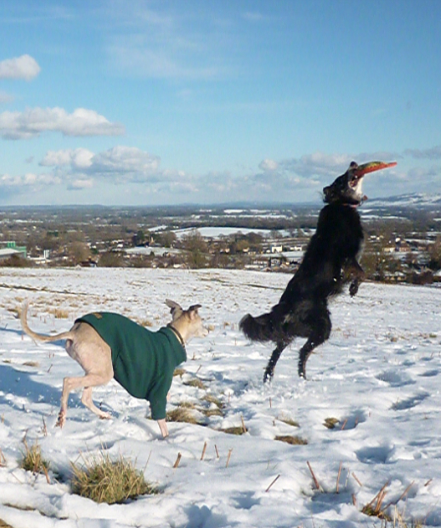
Even Cricket the Whippet loved a frisbee chase!

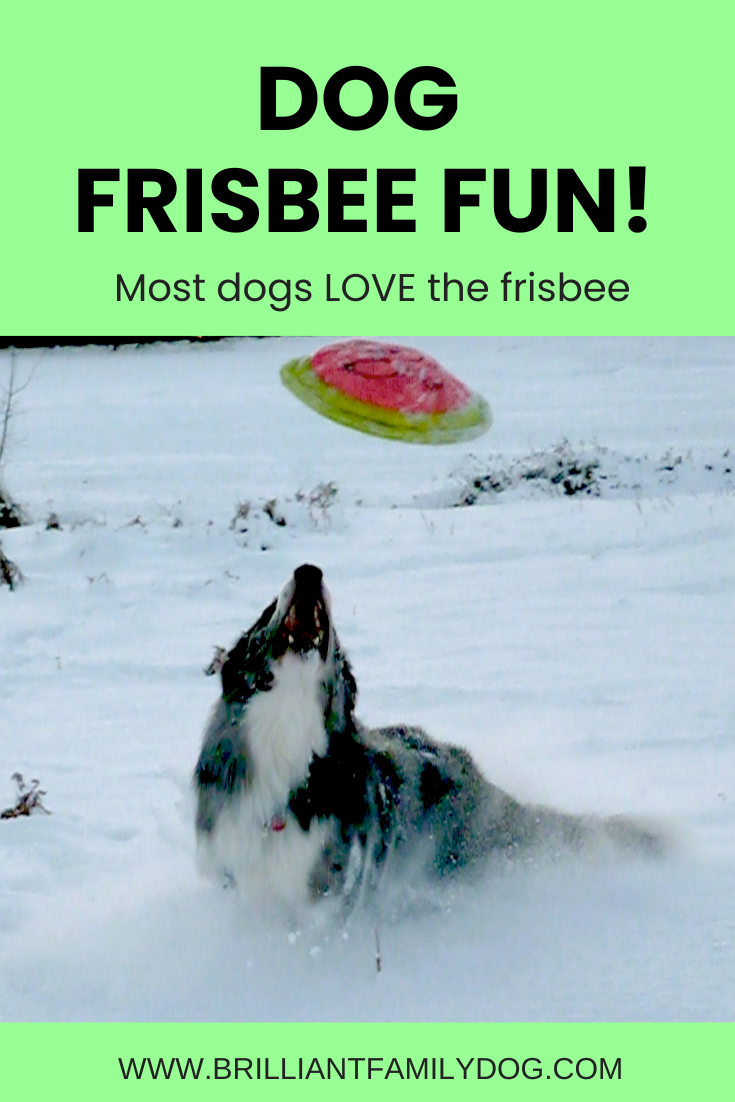
My dogs ALL love playing frisbee!

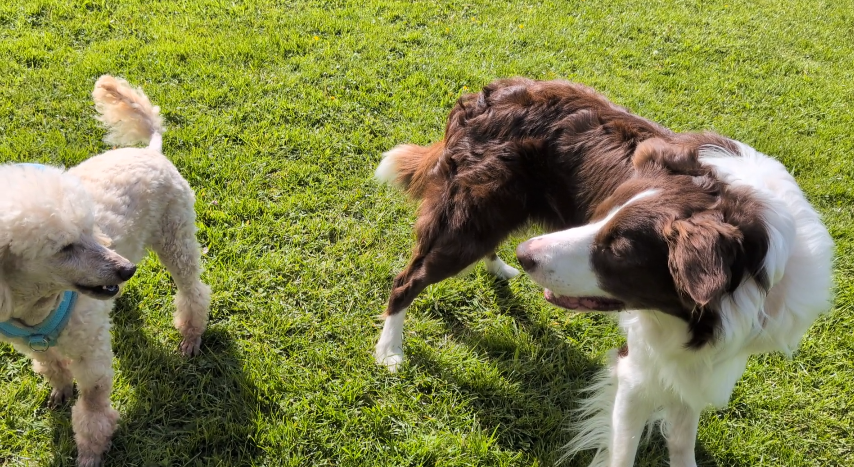
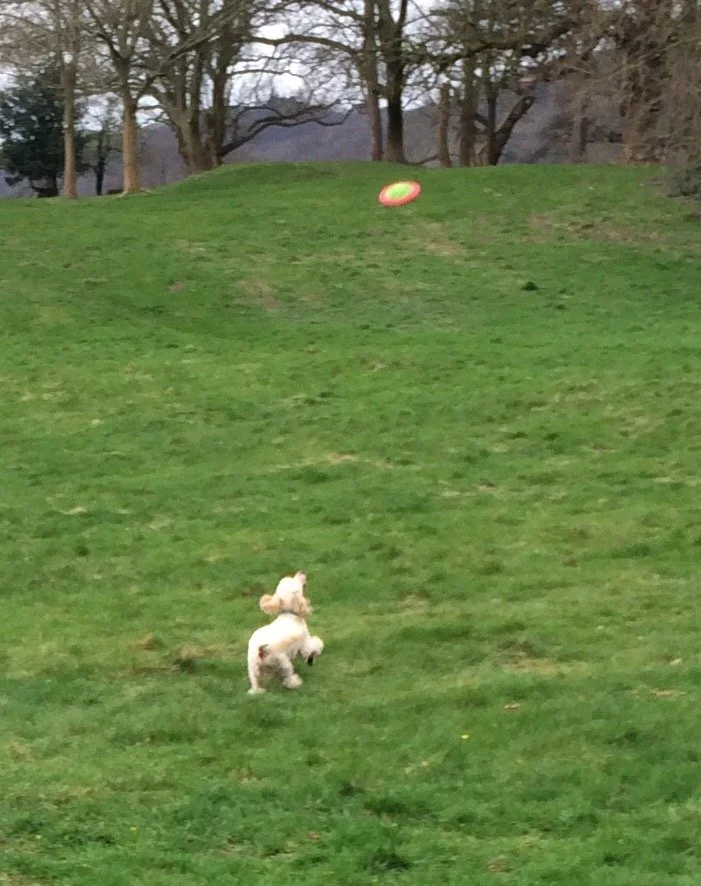
Even the whippet and the miniature poodle, as you can see from the pictures here. 

And most of them have always loved tug as well. 

So … how about combining the two in one terrific toy?

This is just what Tugenuff.com  has done - they’ve come up trumps.

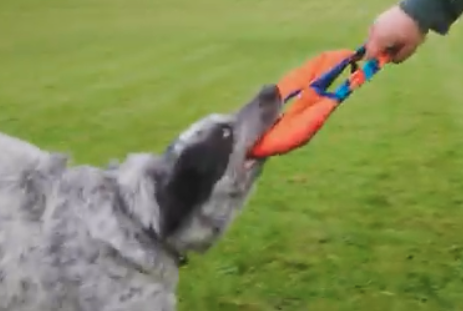
Coco waits for the frisbee to arrive in his mouth

A soft, safe, frisbee

This is a priority for me - that the frisbee is soft, for their mouths and for my hands. But these can be hard to find.

Now, we have the answer! A padded fabric frisbee that flies, floats in water, and is specially designed for vigorous tug games. 

This picture was taken on Jake’s 14th birthday - it’s a game to be enjoyed for a long time

It floats! Howzat for your swimming dogs! 

Heaven for dogs! 

You see, combining the excitement of the chase with the triumph of the catch, and the reward on returning to you of furious tugging, is a perfect combination. 

It’s got a special holding place for the dog, and a bungee handle for you, to protect your shoulders.

It’s made of ripstop fabric so should withstand the fiercest tugging.

It floats! Howzat for your swimming dogs! 

The importance of safe dog toys

This company is my go-to for durable, safe, dog toys. (You wouldn’t believe what awful stuff goes into some of the cheap ones you can find in shops and online … )

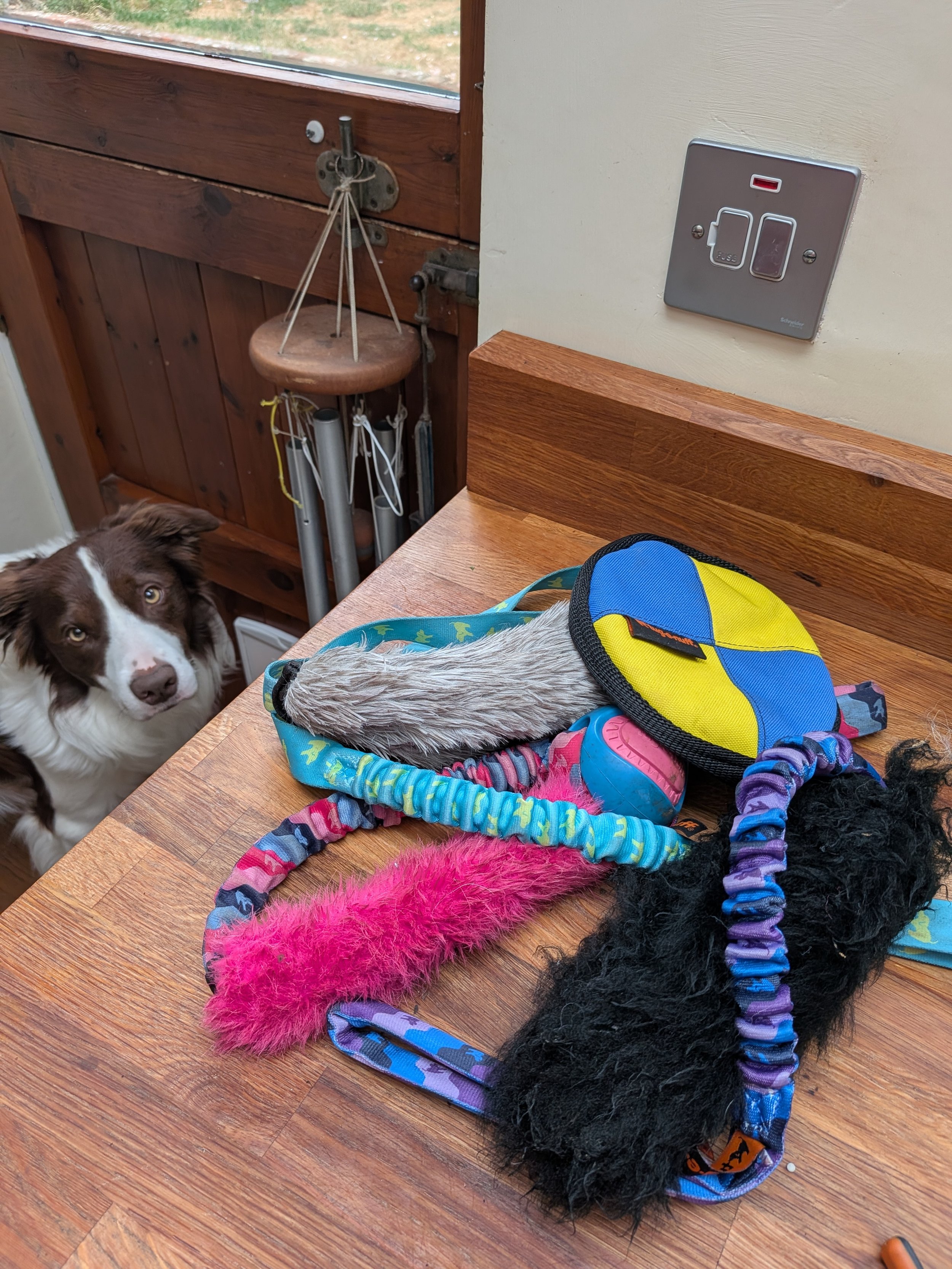
I have several of the dogs’ favourites by the back door, ready for me to grab as we go into the garden. They last for ages. 

This wizard new dog-toy just been released today, and I’ve already ordered mine - can’t wait!

🐶 Flies, floats and tugs

🐶 Soft, padded, gentle - no hard plastic with sharp chewed bits!

🐶 Handles for both of you

* Easy to loop onto your lead or walking belt for walks and outings

Here’s where to get your Aero-Tug Dog Frisbee

I’d love to hear what you think of it!


Exciting changes at Brilliant Family Dog!

By now you’ll have seen my emails about the terrific changes happening here at Brilliant Family Dog - all designed to get you the help you need with your dog - at new, unimaginably low, prices.

This is where you can check out the new learning platform: my.brilliantfamilydog.com
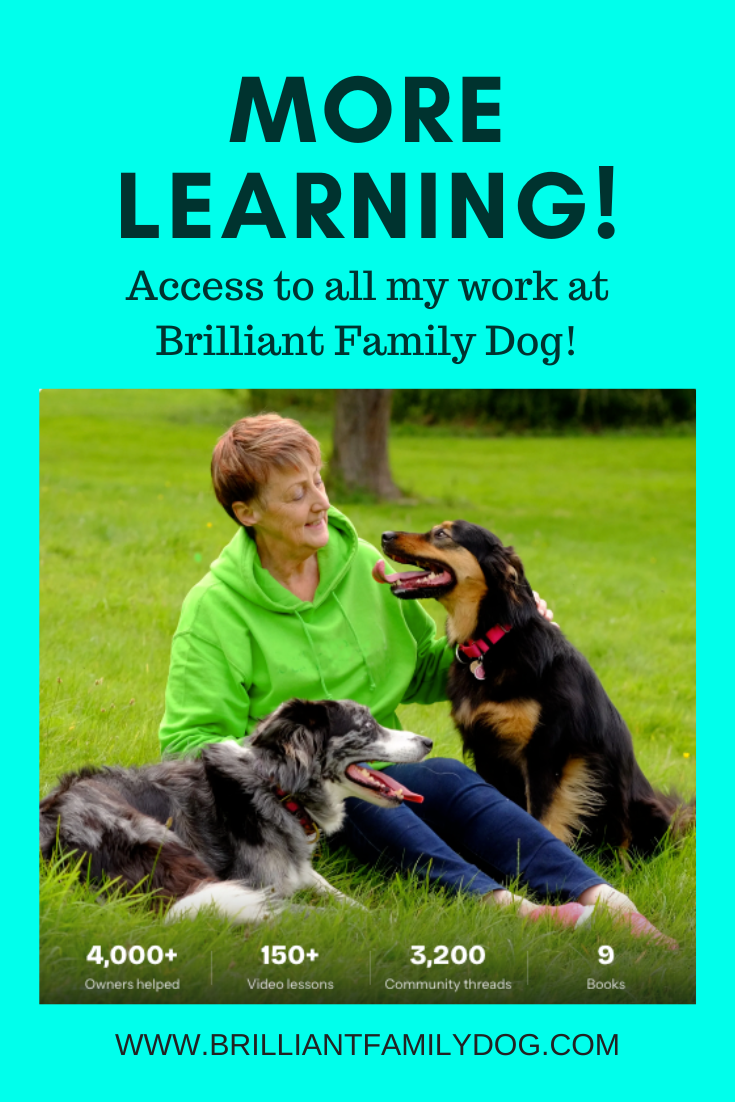
If you’re an existing student in any of my courses - don’t worry! You will be receiving new login details any moment now to ensure you can continue your learning without interruption (or further payment!).

A simple question: WHY?

And you’ll be glad to know there’s a simple answer!

I have spent much of my life helping people with their dogs, using only force-free methods. 

And while I have competed with my dogs at a high level, I focus on everyday life with your family dog. (And even international competition dogs are pet dogs for 20+ hours a day, too!)

I want you to enjoy your best lives together, and be rid of those tiresome niggles that annoy both of you.

So with this focus, I created a number of free courses, nine books, seven audiobooks, and two signature programs - 

The Brilliant Family Dog Academy - Teach yor dog to listen!

From Growly Dog to Confident Dog - help for shy, anxious, reactive, “aggressive” dogs

I KNOW these programs work!

How do I know? Because I am forever getting emails and comments on how much they’ve helped, like these:

“The lessons have made a huge improvement in all of our lives.” BO

“Lois has done really well in the Brilliant Family Dog Academy, and is now the ‘Loose Lead Walking Champion’ of our local neighbourhood lol, recall improved dramatically too.” CR

“You are a gift to us and our dogs - pure and simple. Very grateful!” PT

“Thank you for caring, it is so genuine.” NMG

“Absolutely brilliant! I love your gentle, respectful way. I see a difference in my ‘rescue’ which warms my heart.” CS


So, now that I have passed rather too many milestones ;-) I want to ensure that with the least fuss and bother, everyone can access all that I teach, with as little barrier as possible.

Hence the prices are silly.

They’re just enough to keep the site running.  

You could call this a charitable gesture, if you like … but really, I just want to ensure that this valuable learning stays available for everyone who would benefit from it.

The result? 

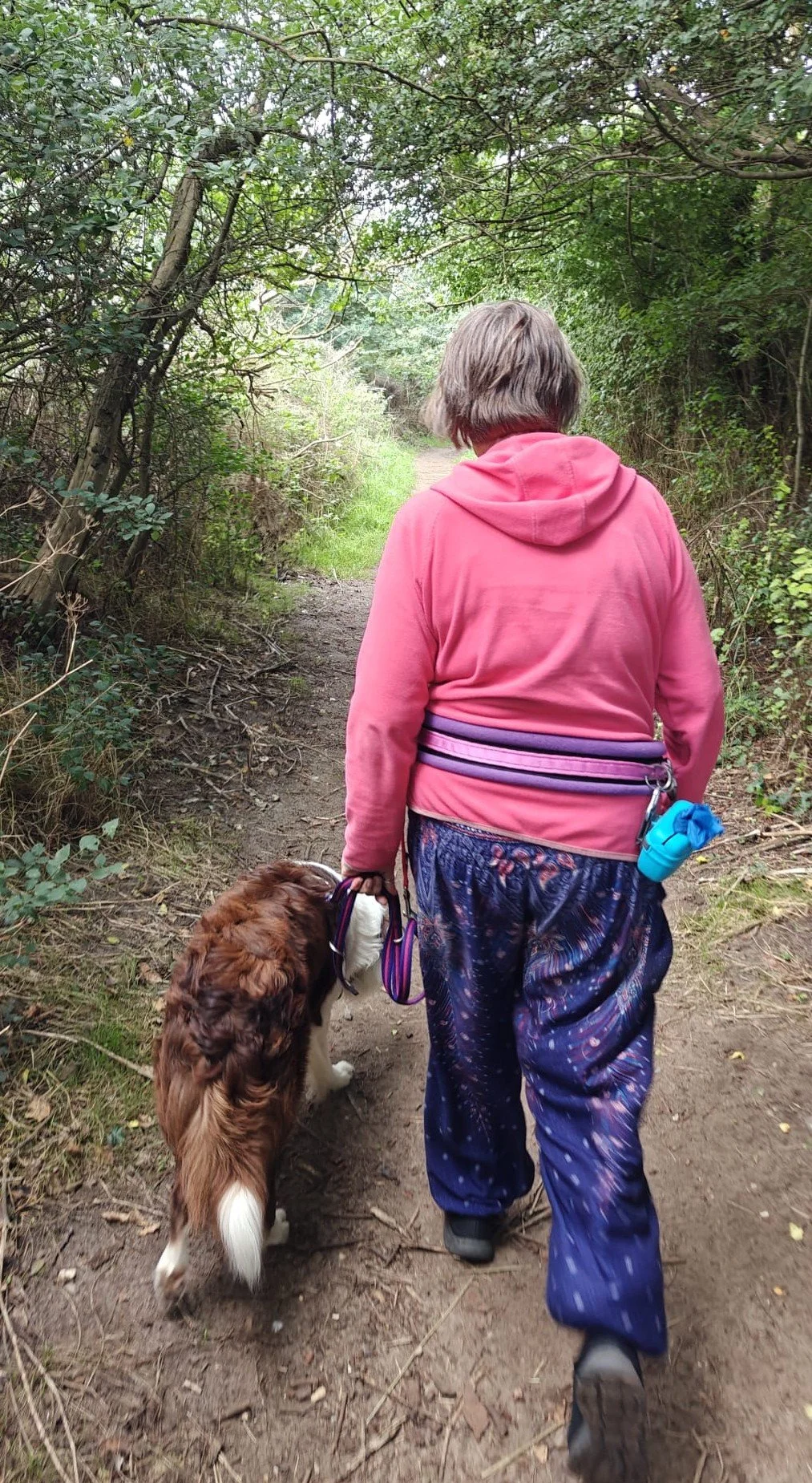
Lots more of this, for me and for you! See Woodland Walk image

What can you do now? 

What I’d like you to do is head over to my.brilliantfamilydog.com and have a good look around! 
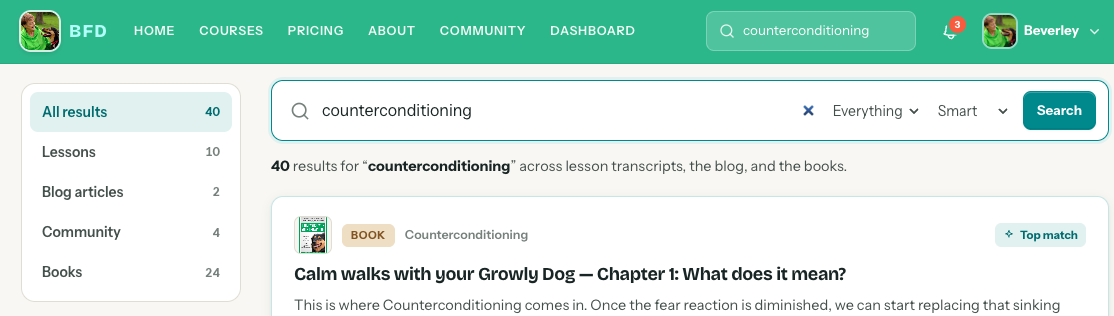
You’ll find a fresh, clean, easy-to-navigate, site, with an astounding Search feature which will search my entire output.

You’ll be able to join a community of like-minded people, upload videos of your own work, get professional trainer feedback, and support from your fellow students ..

.. and learn, learn, learn!

And I’d love it if you could comment below on what you found!

Don’t want a course, thank you, but just want to show support? There’s a place for you too, as a Silent Member!

Your dog is saying more than you think


It used to be said that dogs had the memory of a goldfish and only lived in the present. 

Yes - a lot of things used to be said, which fortunately aren’t being said any more.

And there are two things wrong with that statement above - 

  1. Goldfish have very good memories and respond well to training.

  2. Dogs have very strong memories of what has happened in the past and they can project into the future too.

This is actually the basis of reward-based training - they do things based on the historic knowledge that there will be a consequence. 


Interspecies communication

This has become abundantly clear to the folk who are working in the area of AIC (Augmentative Interspecies Communication). They don’t confine themselves to domestic pets, but work with all kinds of animals. 

When you think about it, isn’t the very thought of interspecies communication thrilling? 😃

And doesn’t it confirm what we all know? That animals are sentient beings. They think and feel. This is law in Europe and UK amongst others - there are 32 countries in all that have formally recognised non-human animal sentience in their laws. (Sadly the whole of North and South America is a long way behind in this respect.)

Dogs and cats frequently use buttons to talk about NOW, LATER, SOON, TOMORROW, REMEMBER. And given the opportunity, they will press buttons to express sorrow, fear, safety, happiness - and missing a person or family pet who has died or left. 

This means they are thinking about these things!

Things that may have happened years ago. 

Like when Yannick sees an image of Cricket the Whippet on the tv screensaver, and presses SAD, or CRICKET. (She died over a year ago.)

Or when a few days after my son’s visit, he presses his name on his button board. That gives us the chance to talk about the absence and how we both feel about it. 

They can also talk about things right now, of course! Like asking to be brushed, wanting cuddles, wanting to go out, play, specifically with a ball, frisbee, or flirt pole. 

Here’s what Yannick had to say yesterday evening, when he woke up from a nap:

Clearly it was nearly suppertime! 

Why is all this important?

We are all guilty of saying “ok, later” when hearing a request. Having to respond to your pet’s requests means that you have to become more reliable. Your promises must be fulfilled!

A request for BEACH WALK, once acknowledged by a promise of BEACH WALK TOMORROW, must be kept to!

You have to show that you are hearing your dog, listening, and keeping your word. 

Lesson for all of us! 

Would you like your dog to “talk”?

If you’d like to learn more about how to teach your dog (or cat) to talk to you through buttons, and unlock a new world of communication between you, take a look at: 

Getting Started with talking buttons

and

Real Stories from Pet Parents Teaching Them to “Talk”

You’ll get lots of help and support there! As I have.


My next dog will be … an individual!

Some of my friends had to give me sad news recently, about the loss of a dog. This is always hard to recover from - in fact, I don’t think we ever really do. 

But as one door closes, another opens, and I’m one of those people who’s always thinking about their next puppy! 

Not straight away, of course. But plans start to slide into place after a couple of months. Then there’s all the research needed to narrow down the perfect puppy.

You can research as much as you like, find the perfect breeder, study the lines … or you can take pot luck.

But just like with children, you get the one you’re given - not necessarily the one you wanted, hoped for, or expected!

What puppy research should I do? 

I would definitely recommend checking the parents’ test certificates. This could save you many thousands of pounds in just a year or two.

What certificates? You can check with your national Kennel Club. They’ll have a listing of all the tests recommended for each breed, as the breeds all have their own tendency to certain ailments or problems. 

I’m sure you’ll agree that the best gift you can give to your new puppy is good health and freedom from pain. 

This means carefully checking out his/her ancestry. Any reputable breeder will have gone to the immense trouble and expense of getting these tests done for their bitch, and only using a stud dog with similar qualifications. 

(I know you had a wonderful Heinz 57 dog once, who lived to a hundred with never a day of illness - but you were lucky!)

I’ve heard too many accounts from my students of expensive procedures being necessary to make their dog’s life liveable. Expense they would have been spared with a bit of study and research. 

Which dog breed?

This is very much an individual thing. Try not to be swayed by fashion. I always look for a dog that looks more like a wolf - long nose, long limbs, slim rangy body, a coat that doesn’t need endless clipping. (So how did I end up with Coco Poodle, who despite his long nose and long limbs, still has to be shorn and shaved every 3-6 weeks?? 😳)

Why do I choose that type of dog?

Because dogs with squashed noses, short legs, and squat bodies tend to have a lot of problems with breathing, movement, weight-gain, and so on. 

For more detail on how to choose the right breed or type for your family, check out Choosing a Puppy 1. There are three posts for you on this critical subject, showing you what really is important and what really isn’t. 

The most important aspect of your puppy

But the key thing to remember is that your dog is an individual.

There is more difference between individual dogs than between breeds.

It doesn’t matter how carefully you choose your new pet, he’ll be his own individual self. 

He may not be at all like others of his breed: he may be from an active breed but is a couch potato; he may be a guard breed who’s afraid of his own shadow; he may be a lap dog who hates cuddles. 

Thing is … he’s yours now! And developing a meaningful relationship with this new person in your life will result in a long-lasting devotion between the two of you. 

And it will also change you forever. 


The natural way to use up your dog’s energy

Do you want a surefire way to use up your dog’s excess energy without depleting yours?  

I have the answer for you: the flirt pole!

It’s my go-to for my energetic dogs, and they are all absolutely bananas about it! It harnesses their prey drive - that sequence that all dogs, no matter what breed, have: to stalk, chase, catch, and kill. 

Naturally we don’t want our dogs killing things, so this sequence is often depressed in daily life.

But here’s how you can tap into your dog’s instinctive drive, get him running, teach him impulse control - and have a lot of fun at the same time.

Flirt pole with four dogs


Here I’m playing with four dogs. Note how they all wait their turn on the picnic table, despite bursting with excitement for their go! This isn’t mindless flying about - it’s a way to teach some core principles to your dog, to make life better for both of you. 

I’m using a lunge whip to which I’ve attached an old teddy bear leg. But if you don’t want a DIY option, have a look at this purpose-built Flirt Pole for dogs

This is what the makers say about it: 

“If you’re looking for a high‑engagement, low‑effort way to help dogs burn energy fast, this is the one. The lightweight pole makes it easy to flick, twist and swoop without tiring your arms, while the reinforced bungee absorbs shock to protect both the dog’s neck and your shoulders.

The lure comes in either squeak or no‑squeak options, both designed with a friction‑free attachment ring so the toy moves naturally without wearing down the pole.

And because the bite zone is blue, one of the colours dogs see best, it helps them stay visually locked on and fully engaged.”

They also point out that it’s “especially helpful for those with high‑energy dogs, limited walking options, or owners who need a low‑effort, high‑impact way to meet their dog’s needs.”

Yes! You can play this game indoors! And I often have. You just need to contain your enthusiasm a little, and ensure your dog is on a carpeted surface, not a shiny one. The last thing you want is your dog slipping and skidding and injuring himself. 

You can certainly play it sitting down. And if you just are too overdone to take your dog on a hike for an hour or two, you’ll find ten minutes with the flirt pole will do the trick. 

Getting your dog started with the flirt pole

Here’s a video of young Cricket the Whippet being introduced to the delights of the flirt pole. Take care with a puppy, that they don’t overdo it.


Teaching impulse control to your dog

You want to be sure your dogs are all good at taking turns and sharing before you embark on flirt pole games with a gang of them all at once! But it can work very well, as you can see here. 


Releasing the prey

Don’t be in too much of a hurry to take the lure back from your dog. He’s worked hard to catch it - let him enjoy his prize for a moment. He may want to trophy it by strutting about carrying it. Or maybe he’s clamped on and simply can’t let go! You can relax the pull on the pole and wait for him to gradually release it. 

If he’s completely overwhelmed and cannot let go (!) simply slip your hand in his collar (so he can’t pull back) and wait. It will gradually be released. 

Here you can see two dogs who struggled to let go of their prize! The reason they’re mouthing it here instead of pulling is because I stopped pulling and waited. If you pull back (animal still alive) they’ll naturally hang on tight. If you stop pulling (animal dead) they can safely release it. 


Let your dog request a game!

There are two ways my dogs can request a game with the flirt pole - one is to stare longingly at the door behind which the flirt pole may be found. And the other is for Yannick - he has a button marked FLIRT POLE. See my recent post Does your dog talk to you?

I wondered at my sanity in giving him this button, but to be fair to the little chap, he doesn’t abuse it (“spam” it) and I always try to comply with his request, or tell him FLIRT POLE LATER, which produces a sigh and collapse onto the nearest bed.

You can get started with your own super-duper state-of-the-art flirt pole in a jiffy, by getting this purpose-made one from Tugenuff.

.. And don’t miss out on the discount offered! 

Dog treats - what gives THE best results?


I’ve had you all looking carefully at what you feed your dog, on a regular basis. You have to combine budgetary restrictions, convenience, health of your dog, poo clean-up, into one answer.  

To get help with this, take a look at www.allaboutdogfood.co.uk Look at the score for what you’re feeding now (hope that’s not too much of a shock!) and then look at the feeds that score 80%+ and see if you can make a change. 

[You don’t live in the UK? No worries - not only are many brands international, but you can list ingredients from your food and get a rating.]

But what about treats? 

But you need to look at everything you feed your dog! Not just what goes in his bowl. 

Treats! 

If you’re actively training your dog, you probably get through a mountain of these. All good. You reward what you like with a small, tasty treat and your dog gives you more of that. 

So what’s in these treats? 

Some commercial treat ingredients lists look like part of the telephone directory - and make as much sense. 

Just like with our own food, try and avoid ingredients you don’t recognise and wouldn’t have in your own pantry.

A lot of these are to prevent deterioration - these packets stay on the shelves for literally years! And while the manufacturer must say if they’re using additives, they’re not obliged to declare what those additives are. 

Use real food!

Wherever possible, use real food:

  • Cheese, cut into tiny cubes

  • Sausage

  • Hot dog

  • Cooked chicken/beef etc

  • Dehydrated meats/fish (e.g. dried sprats)

  • Fruit and veg (if your dog will take them!)

  • Meat/fish pate

Yes, I know there are additives in commercial sausages, but we’re talking about tiny quantities in the day. Who can put their hand up that they never have cake, or alcohol?

A little of what you fancy, my grandma told me, does you good!

There’s also squeezy cheese, which is definitely processed, but can be administered one tiny lick at a time. 

What do I use? 

I do use some commercial treats. Sometimes I need something hard that will roll or bounce. Sometimes it’s what I have in my pocket - you need a pouch for cheese etc!

But in the main I use real food. 

I’m limited at the moment with my young dog. He’s the first food-fusspot I’ve ever had! Every other one of my dogs has fallen on anything I offer them as if they’ve been starved. 

Not Yannick. 

He will sniff the offered food slowly and critically. And unless it’s cheese, chicken, or beef, he won’t eat it. 

There are some commercial treats he will eat, so I can still carry some in my pocket. There’s never a time when my dogs cannot earn a treat if they do something I like - requested or not. So some hard treats are handy. 

Many commercial treats are massive, and not useful for constant use in training. I’ve been known to find a good quality treat, tip them all out and cut them in three or four pieces before using them. 

One of my dogs’ favourites would be the Naturally Tasty Lamb Treats - they like the duck and the beef ones too. These have “no nasties”, containing only natural products. Be sure to follow this link first, to get you some free goodies!

Skippers do all fish training treats They’re the perfect size, and pocketable. Check out the special offer for Skippers in the Resources below. 

Once more, you can visit www.allaboutdogfood.co.uk and see how treats rate. There are some very good ones - some of which are very expensive, and some very good ones for the more budget-conscious. 

Those treats you see on every supermarket shelf? They rate from 30% down to 10% in nutritional value. 😳

But there’s a big BUT here. If you break them up small (and your dog will eat them - crucial point!) and they form only a small part of their daily intake … you can get away with it. (Remember that cake and alcohol reference?)

But for the best, consistent, results from your dog, use the heavy artillery!

That’s the natural, real, unadulterated foods. 

Safety note: If you’re handling raw meat, remember to wash your hands after your training session. 

RESOURCES

Commercial dog treat comparison

Butternutbox (free supply of food!)

Skippers (30% off)

Some of these links are affiliate links, meaning I earn a little from your purchase. But rest assured, I ONLY recommend products I use and love myself.