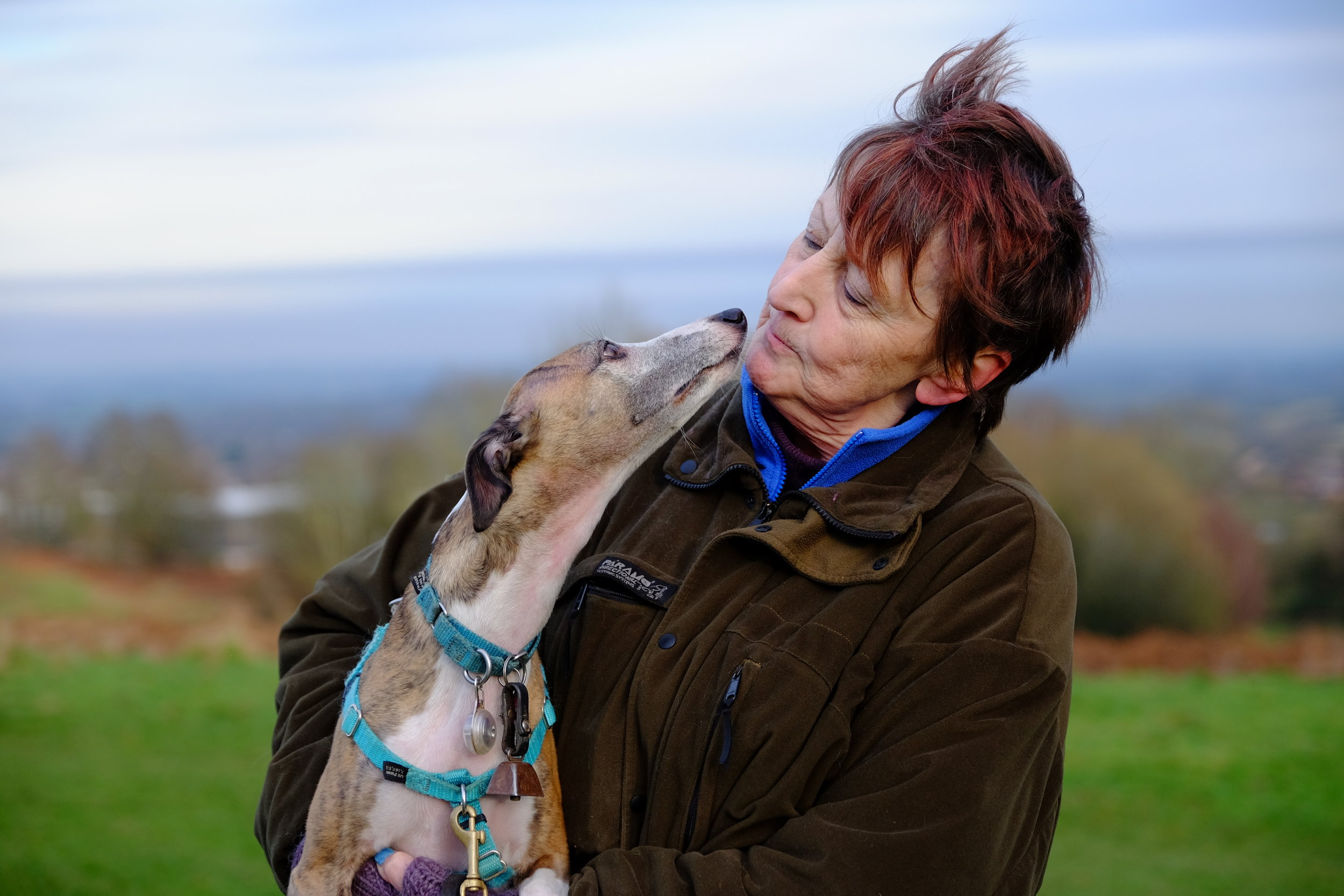
Why did you get a dog?

And did it work out the way you expected?
Companionship                         ✅   CHECK!

Exercise                                       ✅   CHECK!

Making new friends                   ✅    CHECK!

To make you feel important?        ❎    WA WAA ...


For some people, getting a dog is just the next thing to do to complete the image of the corn flake family - Mum, Dad, nice house, a boy, a girl, and the pet dog. It’s part of the image. 

Some people have visions of themselves striding across the moors in all weathers, their trusty companion two steps behind them.

Another person may be hoping to combat loneliness or bereavement by having a dog to talk to. They know that having someone to look after will take them out of themselves, perhaps get them out meeting more people. 

Yet another may have admired a dog sport - agility perhaps, dancing with dogs, or search and rescue - and are dying to get their own dog and have a go.

Then there are those who are more down-to-earth in their expectations. They love interacting with another species, having to learn a way to communicate without verbal speech. They want their children to experience the bond they had with an animal when they were growing up, and they know it can teach their children empathy, individualism, patience, and resilience.

Some so miss their previous dog that they want to replace him. Their old dog fitted their home like a comfy pair of slippers. They have entirely forgotten the puppy months or years they had to work through to reach this happy state.

Some people just love having a large, busy household, with children, in-laws, cats, dogs, rabbits, sheep, hens, horses, you-name-it. They are busy from morning till night ministering to their flock of dependents, and they find it very fulfilling.

But I’m not even going to waste any column inches on the deluded people who buy a dog as a fashion accessory.


It takes all sorts …
Dog training, new puppy, puppy training, dog behavior | Why did you get a dog? And did it work out the way you expected? | FREE EMAIL COURSE | #newpuppy, #dogtraining, #puppytraining, #dogbehavior | www.brilliantfamilydog.com

There are so many diverse reasons for people to bring a dog into their lives. Some are good and valid. Some not so much. Many are looking for the jigsaw puzzle piece that precisely matches the gap they are looking to fill. This is ok as far as it goes - but that’s sometimes not very far.


  • The sports dog fanatic, for instance, will choose the line and breeder very carefully, to get a dog suited to their purpose of speed, agility, soundness, temperament, and stamina.

  • The corn flake family will want the perfect Walt Disney dog to complete their menage - a bombproof, undemanding, adaptable dog - probably of a fashionable breed or appearance.

  • The outdoorsy type will want a dog built for long days in the field - a marathon runner rather than a sprinter.

  • The empty-nester may be wanting something fluffy and cuddly.


What they may be forgetting is that their chosen dog will have an opinion about all this!


How many families do you know where the children are so different from their parents that they are almost another species? My mother was convinced they’d switched her baby in the nursing home, and referred to me as “The Changeling”. Even the adman’s dream - the corn flake family - may have children who don’t fit their vision of the perfect family. 

It doesn’t matter how carefully you choose the line, type, or breed - the dog you’re getting is an individual. He may slip perfectly into the mould you have ready for him. 

Get your free email course to sort out lots of puppy problems

THIS FREE ECOURSE IS A BONUS FOR YOU WHEN YOU SIGN UP TO RECEIVE EDUCATIONAL EMAILS AND OCCASIONAL OFFERS FROM ME. YOU CAN UNSUBSCRIBE AT ANY TIME.
Privacy Policy

Or he may not.

Then, as the saying goes, you’re stuffed.

Puppies first

Whatever made you get a dog in the first place, you now have a dog with his own personality. And just like with people, you’re going to have to work with that dog to make this “marriage” work. You may have to abandon your first idea entirely, when you find

  • your future agility partner is noise-sensitive and afraid of crowds of people

  • your Disney dog gets sick of the children pestering him and snaps at them

  • your forest-trail dog has a congenital hip problem

  • and maybe your companion dog is not a people-pleaser and would prefer not to be cuddled

You now have some work to do! 

Please don’t fall into the trap of comparing this new dog unfavourably with your old dog, who was no trouble. You maybe had that dog for fifteen years, you knew each other well, and have long since forgotten what that dog put you through as a puppy! (Yes - he did. You’ve just forgotten.)

What to do?

If the chasm between what you wanted and what you got is so huge that you are not prepared to put the necessary effort into the relationship, then make a decision straight away to re-home this dog to somewhere where he will be valued for his own sake. Don’t go soppy and heartbroken about it. Better to break off the engagement before you get to the church!

The shelters are bulging with dogs who people held onto until they hated them. These poor creatures are now walking basket-cases - they have been emotionally neglected and generally messed up. Their new owner will have a lot of history to work against. Sometimes this works out brilliantly. Sadly some dogs become serial “abandonnees” and keep finding themselves back in the dogs’ home.

If you realise that this dog is not at fault for failing to live up to your lofty expectations, and abandonment is not an honourable option, then keep granny’s words in mind: “You’ve made your bed, now you must lie on it.”

Coming to grips with the fact that relationships are a two-way process, and give-and-take are going to win the day, will get you a long way along this path.

Force-free, and blame-free, training will come into its own here. You have discovered that trying to mould your dog to be something you want and he isn’t leads only to frustration and ill temper. Go back to the basic force-free mantra:


Reward what you like

Ignore what you don’t like

Manage what you can’t ignore


Take blame and stress out of the relationship and work on finding where your dog scores. 

  • Is he funny?

  • Is he kind?

  • Is he hyper?

  • Is he dozy?

  • Is he active?

  • Is he patient?

  • Is he thoughtful?

  • What does he love? Food? Play? Running? Barking? Sleeping?

  • Does he love company?

  • Does he prefer his own company?

  • Loves dogs?

  • Is afraid of dogs?


Find what he likes doing best, work in those areas, and use his favourite things or activities as a reward. Be sure that the reward is something your dog finds really rewarding - not something you think he ought to like. There’s a world of difference between a dry biscuit and a sliver of hot dog or a game with the frisbee.

What else is rewarding to your dog - activity? Games? A walk? Opening the garden door? Once he sees that doing what you like brings him his top rewards, it’s full steam ahead to a successful partnership. 

Whatever misfit you seem to have, locking it in a crate and moaning is not going to change it to what you want. Confronting the situation and working with it will bring you a companion you can be proud of. 

And open up possibilities to you that you didn’t know existed!

Maybe your child is never going to be the gregarious doctor you hoped he’d be, and is happier working on his own in a forest. Maybe your daughter won’t join the family manufacturing business and would rather become a history professor. You adjust. You don’t choose your child, you have to accept what you’re given. 

So maybe your agility career has been blighted before it started, but you now have a devoted lapdog who you have become very fond of. And maybe your friendly family dog gets attacked and becomes fearful of all dogs and strangers. You adapt. You accept that this is the dog you committed to, and you make a life for him that accommodates his fears and phobias, his likes and dislikes, as well as your own.

It’s not the end of the world
Dog training, new puppy, puppy training, dog behavior | Why did you get a dog? And did it work out the way you expected? | FREE EMAIL COURSE | #newpuppy, #dogtraining, #puppytraining, #dogbehavior | www.brilliantfamilydog.com

And when you come across “problems” in your dog - things that he’s doing that you don’t like - take a longer perspective. Don’t have a knee-jerk reaction of “Don’t!”, “Stop that!”, “Bad dog!” - that’s not going to help anybody. Adding your anger to the situation is only going to make it worse. (I tell you - I’ve been there! I know.)

You need to take the long view. Problems don’t usually arrive overnight. It just takes you time to notice them and realise they’ve become a habit you could do without. So they’re not going to disappear overnight either. Anyone who tells you they can effect instant change in your dog is likely to be using aversive methods - doing nasty things to the dog, in other words. This can have appear to be a quick fix, while your dog cowers into submission from this stranger who is unpredictable and unpleasant. But frightening anyone into doing something will never work.

You need to get your dog to decide to change his ways in order for there to be any genuine change

And this can only be done by force-free, science-based methods without using nasty gadgets or intimidation. Dogs may not have read the books, but their brains do operate in a pre-defined way - just as ours do. So learning how their brains work is going to give you a flying start with changing their habits.

You can start by getting Calm Down! Step-by-Step to a Calm, Relaxed, and Brilliant Family Dog.

And to get a free email course on tips to help you with everyday problems.

And tell us in the comments how your dog surprised you by turning into a great dog despite not being at all what you expected!
 

Get your free email course to sort out lots of puppy problems

THIS FREE ECOURSE IS A BONUS FOR YOU WHEN YOU SIGN UP TO RECEIVE EDUCATIONAL EMAILS AND OCCASIONAL OFFERS FROM ME. YOU CAN UNSUBSCRIBE AT ANY TIME.
Privacy Policy

Why did you want a dog?
What did you get your dog for?

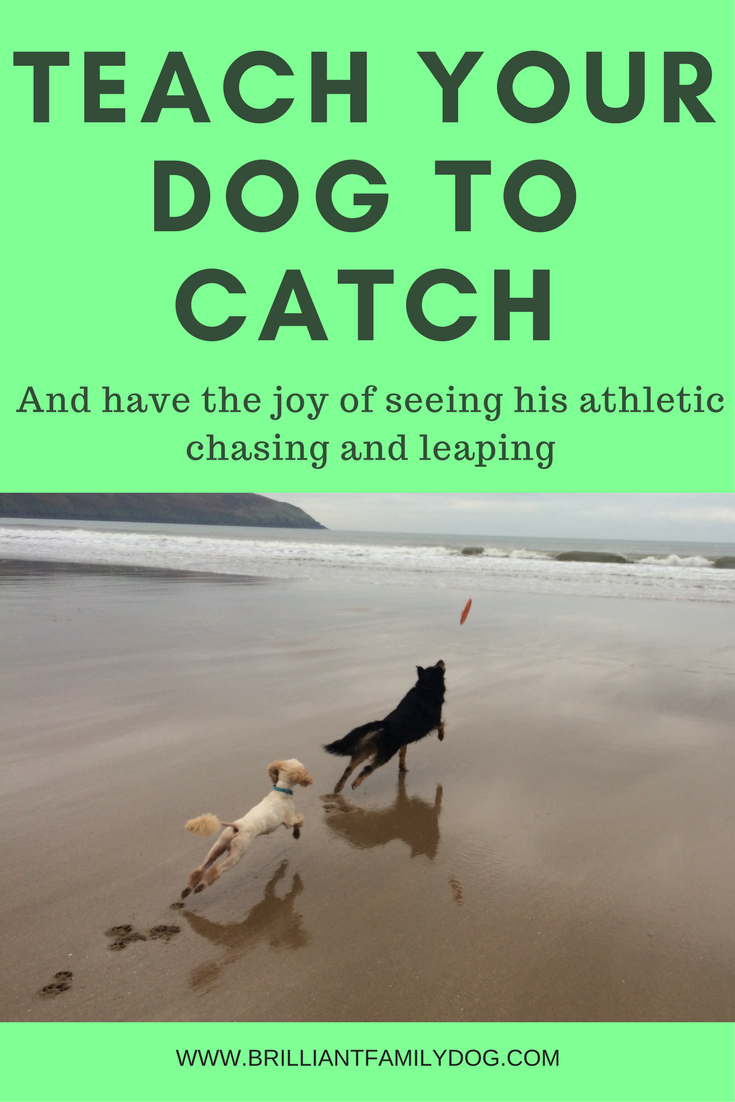
How to teach your dog to catch!

Dog training, new puppy, puppy training, dog behavior | Teach your dog to catch! | FREE EMAIL COURSE | #newpuppy, #dogtraining, #puppytraining, #dogbehavior | www.brilliantfamilydog.com

My dogs are great catchers. I get great pleasure from watching their athleticism and joy.

Sometimes people watching their frisbee acrobatics look sadly at their own dog and say “My dog is stupid - he can’t catch”.

He’s not stupid - you just haven't taught him how to do it yet! Mine didn’t come with catching installed: this skill was carefully nurtured and developed.

You’ll get a lot of entertainment from teaching your dog to catch - with a puppy it’s even more fun! And, of course, it’s a great way to use up lots of your dog’s energy - as long as you observe some safety rules.

Puppy Gym

Puppies arrive on the planet with a mouth (and eyes) .. and that’s about the extent of their self-knowledge. Helping them discover where all their component parts are is an essential part of puppy-rearing. (This is why I feature “Puppy Gym” prominently in my puppy classes.) Learning that legs can move independently, that they can move sideways and backwards as well as forwards, that they can climb on and off things safely, and that they can land safely when they jump is key to their development.

And you can add teaching your dog to catch to this list.

Don’t start teaching catch too young with your pup. A very young pup (up to 10 weeks or so) doesn’t spot or focus on things very quickly. I’d wait till 16 weeks or thereabouts - and preferably once he knows lots of games featuring treat-rewards as well as chasing down toys.

To teach him eye-mouth co-ordination, make it easy for him by always tossing your treat with the same arm movement. I favour the downward toss- i.e. you hold up your hand near your shoulder, wave it a bit to get pup’s attention, then slowly bring it downwards and release the treat so it loops down to the pup. Aim for the top of his muzzle, right where the nose leather begins. The more accurate your throws the faster he’ll get it.

This is the entertaining bit! To begin with the treats will bounce off his muzzle and he’ll scramble to get them off the floor. 

Eventually his mouth will start to open as the treat comes through the air. And after a lot of practice at this, he’ll actually catch one!

He’ll probably be more surprised than you and start hunting on the floor for it again, not realising it’s in his mouth!

You can make it a lot easier for him by using treats that are clear to see - so little cubes of cheese are good. With one particularly slow-to-catch-on adult dog I used popcorn (plain, of course). And while corn should not generally form part of a dog’s diet, an exception can occasionally be made to get what you want. The popcorn worked for that dog because it’s huge, white, and floats down slowly.

At this stage you could be feeding your dog’s whole dinner this way, one tossed piece of kibble at a time.

Once your dog can catch a flying treat aimed carefully at his mouth, you can start tossing them at different angles. An adult dog (especially a greedy one!) will become quite athletic getting his treats. Take care that he’s on a firm footing, not a slippery floor. And build up slowly towards jumping.

Now you’ve got the catch mastered, you can move up a gear and start teaching your dog to catch a frisbee. 

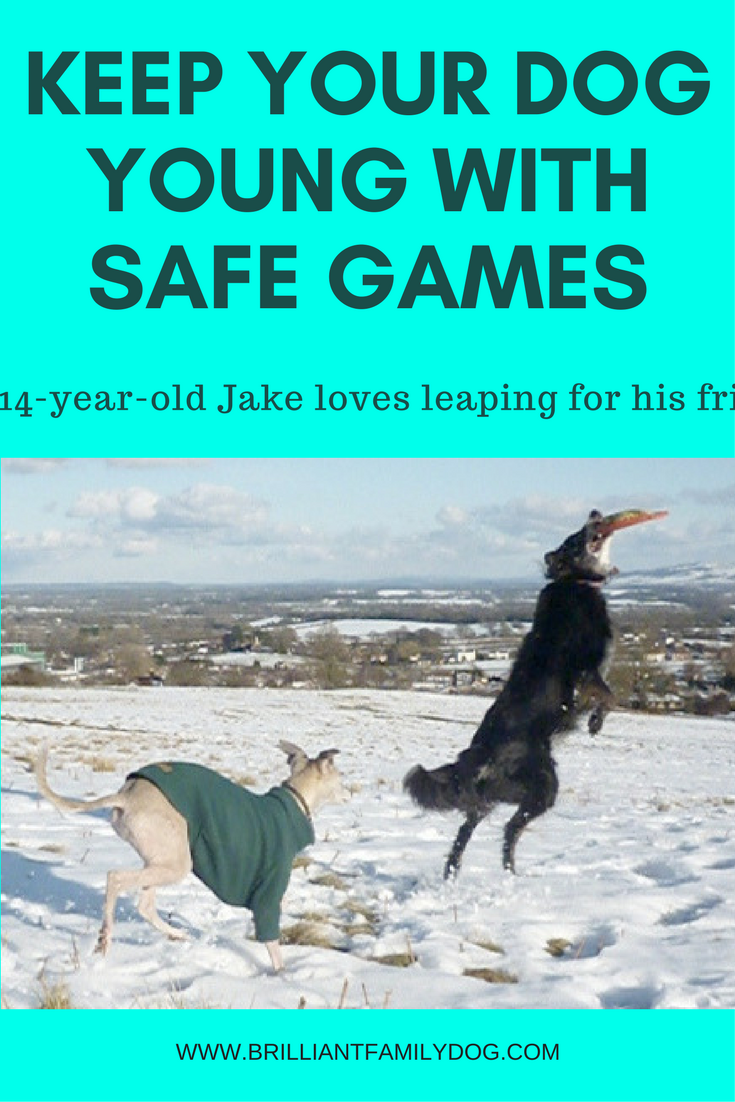
Jake showing his catching prowess on his 14th Birthday!

Jake showing his catching prowess on his 14th Birthday!

Now add your frisbee

You need a soft frisbee that is gentle on the mouth and teeth - one made for dogs. This is a good one. It’s soft on the mouth, easy to squash into a pocket, and floats beautifully in the air for controlled catching.

Now using the same idea as with the cheese, you float the frisbee towards your dog who is right in front of you. So we’re talking about a couple of feet from hand to nose. No distance yet. After a lot of failed attempts he’ll be catching the frisbee expertly by the rim.

If he’s not inclined to release the frisbee, or wants to run off with it, simply stand on his lead so he can’t, then swap it for a treat every time. Once he’s got that, you can change your reward from treat to instant throw. He’ll soon know that the routine of “catch then give” means you’ll throw it again immediately. So he’ll be anxious to hand it over straight away.

Now start adding a little distance - maybe a yard to start with. 

And gradually grade up. As you increase the distance, you’ll build your own skill with the frisbee. A flick of the wrist is what’s needed to spin it, rather than brute force. And one of the reasons I like those soft cloth frisbees is because they’re so easy to spin and send over large distances. 

Now you have a way to exercise your dog safely while enjoying the sight of him flying after his frisbee and catching it expertly, bringing it straight back to you and pushing it into your hand - to throw again!

Safety note

There are dogs who do amazing antics catching their frisbee in competitions. But I have to say these images and videos make me very uneasy. The gyrations and hard landings look to me as if they’d take their toll pretty quickly on these dogs. I like to take life easier, and I aim to float the frisbee over the dog’s head, so that he can leap through an arc to catch it, landing comfortably and carrying on running. 

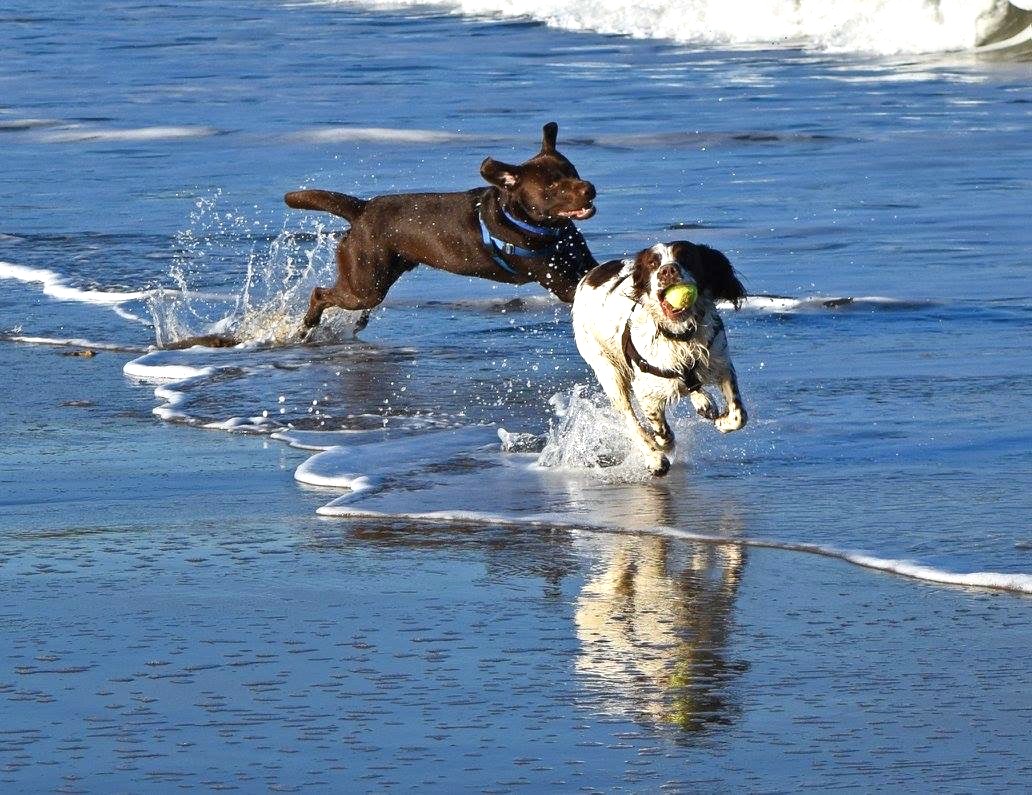
You’ll see in the photos illustrating this post that I look for fast running, an athletic leap, a soft landing - and I ensure that we’re not working on parched or frozen ground that would be too hard to land on. 

Remember this is another golden opportunity to teach some impulse control. Your dog will never get the frisbee by snatching it from your hand, or leaping up to mug you for it. He has to wait while you prepare to throw. You may want him to sit and wait, lie down and wait, or you may be happy for him to hurtle out twenty yards in the direction you’re about to throw it. Similarly, when you put out your hand for the frisbee to be delivered, it should be pushed into your hand - and not snatched away again!


Also on safety - don’t use sticks!


The only time I’d use a stick is if the dogs are in the pond and I know I can throw it far enough for it to be floating in the water by the time they reach it. Dreadful injuries happen (sadly quite frequently) to dogs who catch sticks in the air or on the bounce. The stick wedges itself against the ground and can impale the speeding dog with horrible results. So if you absolutely must throw a stick, ensure that it will land and be still long before your dog can reach it.

Multiple dogs?

Agile Coco Poodle loves his frisbee too

Agile Coco Poodle loves his frisbee too

Each of my dogs has his or her own frisbee. This means that

  1. I too get a great workout as my arms are going like a windmill, collecting and throwing frisbees one after the other, and

  2. There’s never a collision or scrap over possession of the toy. They only go for their own toys.

While my two older dogs will carry their frisbee for the entire walk without losing it, the two younger ones can get distracted and drop it somewhere. So teaching a search is also useful so that they find it instead of me spending ages looking for it. Rollo the Border Collie is brilliant at finding toys, and will lie down next to one (while his own is firmly clamped in his mouth) until it’s restored to its owner. 

Another supreme virtue of the dogs loving their frisbee: I can distract them very easily from incoming dogs to avoid confrontations. So if you have a reactive or growly dog, get him mad about retrieving as soon as possible!


So if you don’t as yet have a catching dog, get started teaching him this skill today. Enjoy!


Got any other things you'd like to get right

with your dog? 

Get our free email course to solve puppy and dog problems without force

THIS E-COURSE IS A BONUS FOR YOU WHEN YOU SIGN UP TO RECEIVE EDUCATIONAL EMAILS AND OCCASIONAL OFFERS FROM ME. YOU CAN UNSUBSCRIBE AT ANY TIME PRIVACY POLICY

Keep your dog young with safe games
Teach your dog how to catch

Zip it! And get a fast response from your dog

Dog training, new puppy, puppy training, dog behavior | Get a sparkling fast recall from your dog! | FREE GUIDE | #newpuppy, #dogtraining, #puppytraining, #dogbehavior | www.brilliantfamilydog.com


Are you a chatterbox? 

“Fido, Fido, FIDO, come, c’m’ere, Fido, over here, FIDO COME HERE, (**** dog), F I D O !!

We’ve all heard a frustrated owner calling this in the park. And what’s Fido doing all this while? Probably carrying on just as he pleases. When the torrent of yelling subsides he’ll look round to check his owners are still there. And if they start walking away, he just may come.

But this is isn’t what you’re wanting, is it? We’d all love to have a dog who spins on a sixpence as soon as he hears his name, and powers back to us at tremendous speed. We want people to see that our dog loves and respects us, and we certainly want to be sure he doesn’t make a nuisance of himself.

So how can you change this?

Only say it once!

The first thing to do is to change what you’re doing. Then you can change what your dog is doing. 

So when you say anything to your dog, you ONLY SAY IT ONCE. He gets one chance to get the reward from you. You have got a super high-value reward with you at all times, haven’t you? Sausage, or salami, hot dog - whatever your dog thinks is heavenly. If he ignores your ONE call, then the reward is gone. 

Ok, you’re saying, how is that going to get my dog back? Well, you start with this in the house - in an area where you have little distraction and you know that if he doesn’t respond you can go over to him. 

This isn’t a capitulation on your part. It’s expedient. We’re not looking at who’s the boss - that won’t make things any better. Dogs do not have a secret agenda to rule the world, your household, or you. Dogs do what works, and if it works - then that’s going to make you both happy.

So you say your dog’s name ONCE. He looks at you - YES! here’s your reward And as I explain elsewhere, a reward is anything your dog finds rewarding: food (top of the list), cuddles (fairly far down the list), game, dinner bowl, lead on for a walk, etc.

Dogs learn by repetition and patterning. So it’s a case of repeat, repeat, repeat. (But don’t repeat his name!) Just get into the habit of saying your dog’s name ONCE and rewarding his instant response. 

So say “Fido!” and zip it. Some people actually find it helps them to remember when they say something to their dog to put their hand over their mouth! Whatever works for you. 

I’ve heard some mothers complain that they call the family down to dinner and get “just coming” ten times before they all eventually appear at the table. If those mothers called the kids ONCE, then - after a suitable delay - tipped their dinner into the bin, I think the next day they’d start getting a faster response. 

What do you think?

What’s sauce for the goose is sauce for the gander (it works just the same with dogs)

Dog training, new puppy, puppy training, dog behavior | Get a sparkling fast recall from your dog! | FREE GUIDE | #newpuppy, #dogtraining, #puppytraining, #dogbehavior | www.brilliantfamilydog.com

This is the same principle. When I say your name, there is a reward on offer. You don’t respond? Reward is gone. Over time (not necessarily a very long time, either), your dog will leap to attention when he hears his name. He doesn’t want to miss that treat!

Once you’ve got that working well indoors, you can start trying it outdoors - in a distraction-free zone to begin with - and in an area where you can go to your dog if he doesn’t come to you. When you go to him, you are not arriving like Thor firing thunderbolts. Rather you just get right up next to your dog and call him once from there. Then you reward him! Why? Because he responded to you!

This is not the whole recall fixed. This is the beginning. This is opening up the channel so that you can stop yelling and start communicating. For a thorough step-by-step program to develop a stunning recall, check out Here Boy! Step-by-step to a Stunning Recall from your Brilliant Family Dog

To change your dog you need to change yourself first!

Watch our free Workshop and find out how to transform your “deaf dog” into a LISTENING DOG!


What do I do when it all goes wrong?

The simple answer to this is: go back to the drawing board and start in the house (where your dog cannot run off) and - critically - make it fun for your dog. If the sound of your dog’s name always means fun and games, why would he not come? 

You’ll need to ditch any ideas you may have had about being the boss, expecting instant obedience, punishing defiance, and so on. If you ask your partner or child to fetch something for you, do you expect them to leap instantly from their chair, abandon what they’re doing, and rush to obey? No! Much more likely you’ll get “In a minute,” or a slower heave out of the armchair. This is fine. This is normal. This is what we expect (and accept) from our housemates. Why should we expect something totally different from our dog?

By the way, ONLY SAY IT ONCE works with anything you say to your dog. So no more “Sit, sit sit, siddown, I said sit”, “Leave it, put it down, leave it, LEAVE IT!” and so on. This is a habit you’ll have to change in yourself before you can expect any change in your dog. For your dog to change - you have to change. So, discipline your mouth, be ready to cover it with your hand as soon as you’ve uttered, and practice saying things only once then zip it!

Focus on this for just five days this week. Every single time you address your dog, you’ll say something ONCE then zip it. See how soon the turning point arrives and your dog starts listening to you!


You can comment below and tell me when it happened for you.

Meanwhile, get your free download:

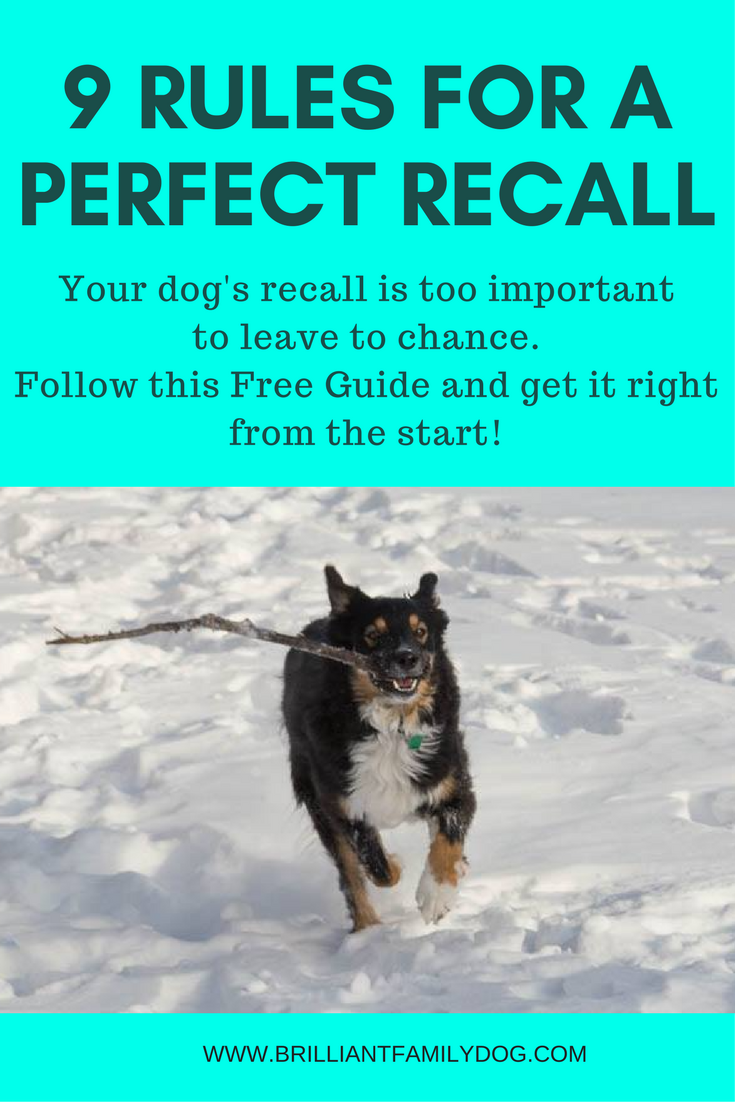
Nine Rules for a Perfect Recall 

9 Rules for a Perfect Recall
9 Rules for a Perfect Recall Free Download
9 Rules for a Perfect Recall

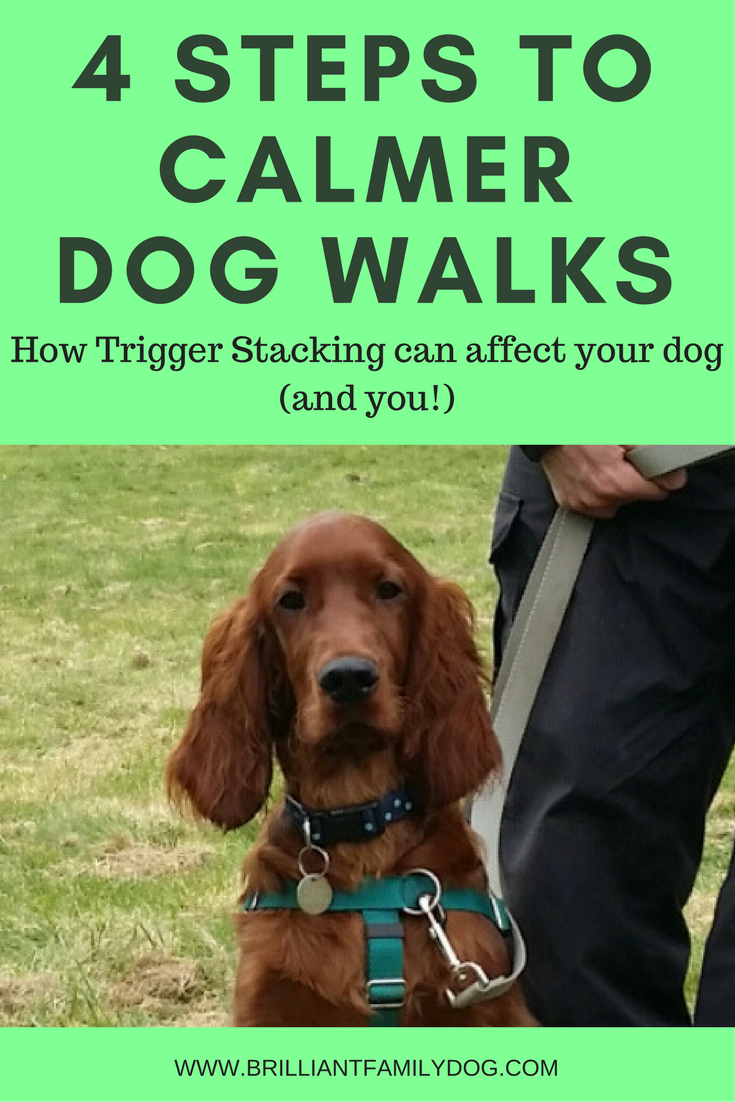
Why does my dog bark at some dogs and not others? (4 steps to calmer dog walks!)

“I can be walking along the road and pass five dogs without my dog saying a word. But along comes the sixth and she goes mad! It can be a big dog or a small one - I can’t work out a pattern. Why?

This is a very observant question - and one which causes people a lot of puzzlement.

Why do some dogs wind up my dog - and not others?

What’s happening is a combination of rising hormone levels - known as Trigger Stacking.

Trigger Stacking is the name given to the heaping up of things that worry your dog, till she becomes overwhelmed. It could be an approaching dog + a child running by + a bang or scream … 

Maybe she could cope with these things one at a time, but all at once or in quick succession is too much.

If you were working against the clock to prepare dinner and the doorbell rang - you could cope with the interruption and carry on. Supposing while you were going to answer the door, the phone started ringing - and then your saucepan boiled over - Aaargh! Too much! You are now fraught and frazzled. The next person you speak to will get snapped at! This is trigger stacking for us.


Hormones - don’t you love ‘em!

We are driven by our hormones, as are our dogs. 

Fear is the driving force here, and that builds up the cortisol levels in the body. 


The more afraid your dog gets, the more afraid she will get.


So you’re walking along the road and you pass a dog coming the other way. Your dog may get a bit antsy, or she may just put her head down and get past without even looking at the dog.

Phew! We got past!

Now another one is coming! This time your dog glances at it and then looks away. Perhaps you give her a treat for ignoring it.

Now there’s another! Oh no - and another!

Your dog is by now getting quite tense. How long can she hold it together?

The next dog that comes along happens to be a bit “on his toes”. Perhaps he’s a young dog with few social skills, so stares at your dog and bounces around on his lead. Perhaps he lowers his head and starts walking slowly and deliberately.

Whatever it is, your dog has reached her limit.

This dog is the last straw!

So she barks and lunges on the end of the lead in an attempt to keep the other dog away.

Between your embarrassment and the other owner’s alarm, this probably works! Either the other dog goes away, or you do. Remember,


Dogs do what works


And if the barking and lunging did the trick this time, your dog now has a way to keep other dogs away. Until we give her some better strategies.


So what can I do?

When we are blessed with a fearful and anxious dog, our main focus should be on keeping her calm. 

For this to work, you need to keep yourself calm too! If, for instance, your dog gets upset by dogs 20 yards away, be sure to keep them at least 21 yards away - by anticipating and moving away yourself.

That may interfere with your accustomed walking pattern. But if your walks are punctuated by outbursts which always catch you out, wouldn’t it be worth making some changes to improve matters?

A walk may become 50 yards this way, then 10 yards that way, followed by 30 yards another way, then back to the first direction for 100 yards … and so on. You’re not trying to get anywhere, your objective is to keep your dog calm. 

While it is true that the more afraid your dog gets, the more afraid she will get, the opposite is also true:


The calmer your dog stays, the calmer she’ll be.


Want some help getting this right? Watch our free masterclass and spot the three mistakes you may be making - without realising it! - which cause your dog to act up worse

Four steps to changing this

1. Keep your distance

Distance is very important to dogs. If they’re uncomfortable about anything, the best thing to do is to put some space between you and whatever it is they’re worried about. The stress of being too close can build in your dog till it reaches the level where it overflows.


2. Avoid Tunnels

Remember that a narrow path or roadway lined with trees, hedges, walls, parked cars, is a tunnel to your dog, with no escape possible. Always ensure there is plenty of space around you, and note possible turning points so you can dodge out of the way when you see another dog coming, and give him plenty of space.


3. Take a dog’s-eye view

Reactive dog, aggressive dog, fearful dog, dog behavior | Why does my dog bark at some dogs and not others? | FREE EMAIL COURSE | #aggressivedog, #reactivedog, #dogtraining, #growlydog | www.brilliantfamilydog.com

Sounds: Traffic noises - especially in the rain. Big lorries clattering by? Children shrieking? People shouting? Dogs barking? Builders banging and whacking? Rubbish blowing about in the wind? Thunder? Cyclists speeding by?

All these things can build stress in a young or fearful dog. 

Once you get good at noticing these “triggers”, you’ll start to develop a sixth sense about what is going to be the last straw for your dog, and take early evasive action, while you’re still on straw no.1 or straw no.2.

Sometimes you could just sit on a bench, and watch the world go by without having to fight your way through it. Lots of tasty treats posted into your dog’s mouth will help to calm him and change his view of the world as being a scary place. As you see him begin to relax and stop scanning the environment and focus more on you, you’ll be ready to set sail again.


4. Keep your hands soft on your long comfortable lead

It’s very easy to react yourself before your dog does! If you clutch the lead tight and start breathing fast, your dog will be saying “What? Where? Who have I got to bark at?”

Sometimes you can turn and walk away happily. In this case be sure not to pull or yank the lead, which will only add to the stress and probably trigger an outburst even sooner! Practice holding the lead as if it were attached to a baby, and use only gentle and soothing actions.

Giving your dog freedom on lead - instead of shortening the lead and keeping him close up against you - will allow him to express his own body language to the oncoming dog. It’s hard to look nonchalant and friendly if your head is being held up in the air. The freedom to look away at the crucial moment can be all that’s needed to defuse a simmering situation.


What are these dogs saying to each other?

To go back to the first five dogs who did not appear to upset your dog, there is another reason why they didn’t elicit an outburst.

They probably had more relaxed body language.

Dog Body Language is a fascinating subject. It’s how dogs communicate in the absence of the words that we humans have.

Here are a couple of videos which give you an idea of the huge range of language dogs have:


http://www.youtube.com/watch?v=bstvG_SUzMo

http://www.youtube.com/watch?v=00_9JPltXHI


Watch these carefully and you’ll be armed with information that will help you decide whether 21 yards distance from an oncoming dog will be enough, or whether this is the moment you about turn and head off happily in another direction.

If we’re going to communicate with someone from another country who has no English, we’re going to need to learn their language. And as for another species without any verbal language - we need to make the effort to understand their clear signals. Some of these signals are subtle to the point of vanishing, but they are clear enough to another dog. 

A lot of doggy mysteries will be explained to you once you understand what your dog is trying to tell you! So be sure to watch those brief videos - your crash course in Dog - and see what a difference it will make to your dog’s happiness and your walks.

Meanwhile, head here and get your free email course to help change your Growly Dog's walks for good!

And there’s lots of help for you in the Essential Skills for your Growly but Brilliant Family Dog book series.

For a thoughtful, kind, and dog-friendly way of working with the dog in front of you (rather than the one you think you wish you had!) check out the books here.

4 steps to calmer walks

Keen to learn more to help Growly Dog? Get our free e-course here and get started!

THIS E-COURSE IS A BONUS FOR YOU WHEN YOU SIGN UP TO RECEIVE EDUCATIONAL EMAILS AND OCCASIONAL OFFERS FROM ME. YOU CAN UNSUBSCRIBE AT ANY TIME.
Privacy Policy

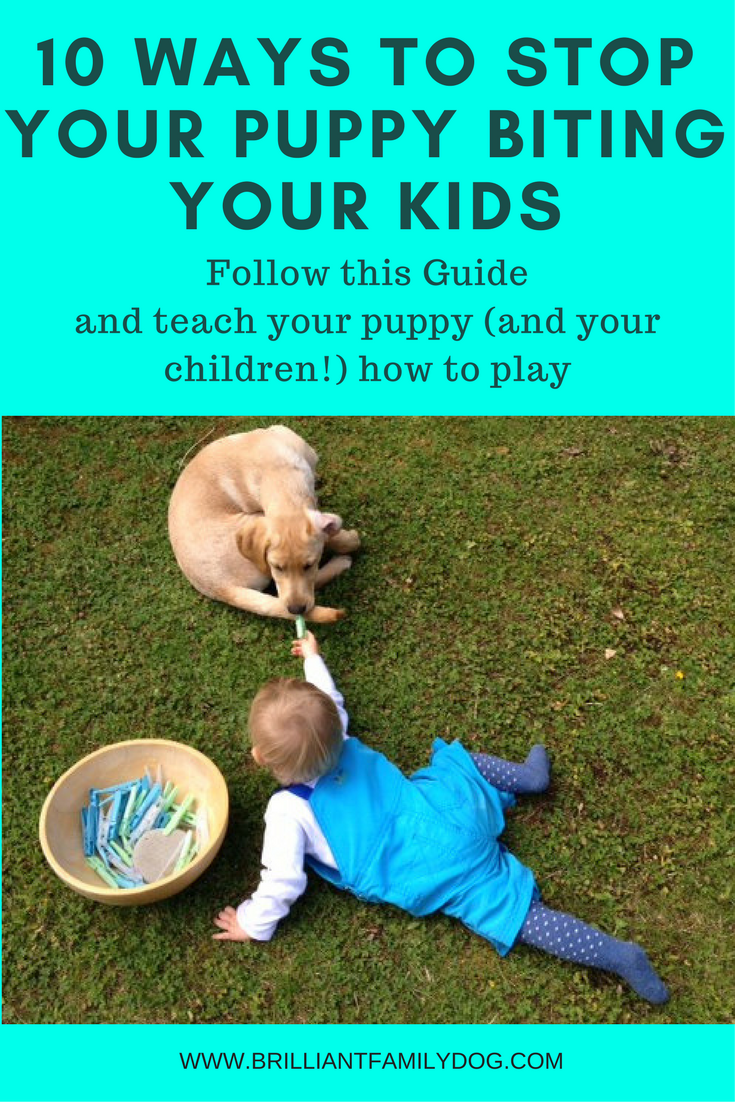
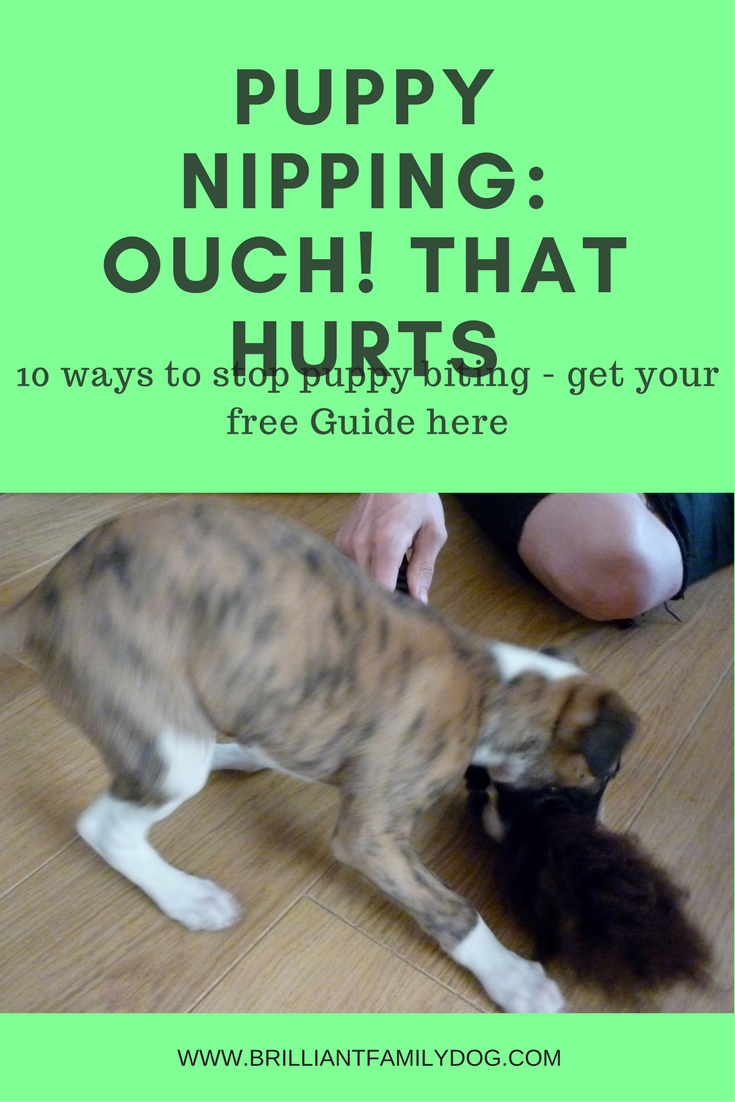
10 Ways to Stop puppy biting

Babies explore the world with their mouths, puppies do the same. The only difference is that babies have gums, while puppies have needles! 

Everyone seems to expect a bit of puppy nipping when they get a puppy. According to my oft-quoted maxim that “What you expect is what you get”, this can be a self-fulfilling prophecy. 

I can also add that “What you accept is what you get”! And I find many new puppy-owners accept a level of savagery from their puppy which astonishes me. I’m often shown arms covered with scratches and nasty bruises. And I’m here to tell you that this is totally unacceptable!


Help! My puppy thinks my toddler is another puppy!

GET YOUR FREE GUIDE TO STOP PUPPY BITING!

THIS FREE GUIDE IS A BONUS FOR YOU WHEN YOU SIGN UP TO RECEIVE EDUCATIONAL EMAILS AND OCCASIONAL OFFERS FROM ME. YOU CAN UNSUBSCRIBE AT ANY TIME.
Privacy Policy

This is a frequent cry from first-time puppy-owners - or first-time-since-they-had-children puppy-owners. The perfect family home - full of joy and laughter - that they anticipated when they brought a puppy into their midst is crumbling about their ears. They start to regard the puppy as the enemy, instead of a welcome friend. He’s a nuisance, and has to be kept under increasing control. This is not a good way to start any relationship.

When the puppy is very new and very tiny and wants to play roly-poly with their small child, this may elicit approving nods and smiles from the parents. But they soon learn that the puppy develops at a much faster rate than their baby, and is also armed with sharp claws, sharp teeth, and an astonishing ability to jump high! It’s only when their puppy hits teen-weeks (about fourteen weeks and up) and they realise these games are getting out of hand - when their toddler’s happy gurgles turn to wails of pain and fear - that they decide Something Needs To Be Done. And by now it’s all become a well-established habit. 

The answer is simple, but multi-faceted. There’s a lot going on here.

I can honestly say that my own puppies learn that dogs’ teeth never touch human skin - very, very fast. And they will never have been yelled at. Here’s how it’s done:


Ten ways to stop puppy nipping

1. The ideal age to get a puppy is eight weeks. There are many reasons for this, but for the purposes of this post we’ll focus on how this lowers the chances of the puppy nipping and biting us. By six weeks or so, the bitch has usually had enough of her pups and will often be separated from them for most of the time. But this doesn’t mean they’re not learning! The time from six to eight weeks of age is prime socialising time. They find out what works with their littermates and what doesn’t. Now puppies have a thick fur coat, so the immature jaw control doesn’t do them any damage. But a pup will soon tell his brother if the play got too rough, and the biting too hard. A puppy who is bullying his littermates will become Billy-no-mates until he learns to tone down his enthusiasm. He’ll learn this quickly - and what he’s learning is called Bite Inhibition. He can use his mouth with exquisite control - he can grip without biting, touch without ripping. This is one major reason for getting your puppy at the right age. 

2. Once he arrives with you, the puppy should have a safe den (a crate is ideal) where he can retire or be taken when tired, and which is totally out of bounds to children and other animals. A young puppy should be going down to sleep every hour or two throughout the day, and all night. To find out how to get your pup to sleep through the night from Day 1, read this post.


3. Never leave any child alone with any dog, not even for a moment. If you have to leave the room, take one of them with you. 


4. The same goes for any older dog in the household. They didn’t choose to get a puppy - you did. So to maintain harmony in the home, you need to protect your older dog from endless puppy attention. A general rule would be a maximum of twenty minutes a day of free play, which would be closely supervised, in five-minute bursts. The puppy is not free to pester people, children, or other household residents, whenever he feels like it. Protect older dogs, cats, and small children from too much attention. How much is too much? That depends on the victim. When they say it’s enough, it’s enough.

5. Supervision should be active, not simply a distracted presence in the same house. When puppy and child are both loose at the same time, this should be the parent’s focus. Clever manipulation of sleep and mealtimes may minimise these times a lot, and allow the adult to devote all attention to either the child or the puppy (or, occasionally, themselves!). You have to be sure that you spend time on your puppy and not just drop him into the mix as a tagalong: this puppy is not going to train himself!


6. Both child and pup need to learn manners and boundaries. In neither case is this done by shouting, saying NO, or scolding. Showing and encouraging is the way to go.

New Puppy? Puppy biting? New Rescue Dog? | 10 Tips to stop puppy biting | FREE GUIDE | #newpuppy, #newrescuedog, #dogtraining | www.brilliantfamilydog.com


7. No-one should ever play with the puppy without a soft toy in their hand. The pup should always be encouraged to play with the toy, down at floor level - not leaping up to grab it from the hand. Releasing the toy is rewarded with another quick game, or a treat if playtime is over. Teeth on skin causes the game to stop for a moment for all sides to regroup and remember the rules. Then the game can resume. If the puppy has gone wild and over the top, this is a sure sign that he’s tired and is no longer able to make rational decisions: an hour or two’s napping in his crate will restore equilibrium. And if your toddler is also screeching and squawking, it looks like you’re going to get a peaceful couple of hours while they both have a nap!


8. No-one may interact with the puppy at all unless all his four feet are on the floor. This gets easier as time goes by, and you’ll have a shorter and shorter time to wait before you can address your pup. Start on Day 1, at eight weeks old! No attention is given till feet are all on the floor. The split second the feet arrive on the floor you reward with attention - down at his level. He’ll learn very fast!


9. Teach the puppy which games or parts of games are acceptable. It’s quite possible for a dog to understand that they may chase something but not bring it down. Think Border Collie - these amazing dogs can replicate their instinctive hunting patterns by stalking, flanking, driving and chasing sheep, but they never close in for the kill. Friendly chase games in the garden are great for using up lots of energy from both the child and the dog. A very mouthy puppy can be encouraged to carry a soft toy in his mouth, so there’s no danger of grabbing. Teach your children to play statues the moment the pup gets over-excited and tries to grab a trouser-leg or sleeve. Once the “prey” is still, the hunt is over, and pup will let go - especially if a moving toy is whizzed past his nose. It goes without saying - but I’ll say it anyway - that such games must always be very closely supervised.


10. Practice makes perfect! The more you play controlled tug games with your puppy, the better he’ll get at instantly releasing the toy when you ask (to start with, just hold a tasty treat to his nostrils and wait for him to let go) and waiting patiently for the game to start again. He’ll learn that the opportunity to play is dependent on demonstrating impulse control.


You got a puppy for your family because you wanted your children to enjoy their childhood with a dependable friend - perhaps as you did when you were a child. But don’t toss natural safeguards out of the window!


In time your adult dog will be your growing children’s very best friend. But while he’s still a baby your puppy needs a lot of guidance and management. You can’t expect to toss the puppy into the family and let him sink or swim. You were already busy every moment of the day before your puppy arrived. So you’re going to need to carve out some time for playing with him and teaching him what he can do to please you, while still having a whale of a time being a dog.

If you haven’t been near a dog training school for years, you’ll be glad to know that many have changed beyond recognition! The very best schools now teach mostly through games, and they are entirely force-free. You should feel that you and your children are welcome at the class, and you should also feel confident that the trainer could “train” your toddler in the same way as they show you how to train your puppy, without you being concerned for your child. No doubt you teach your toddler with kindness and patience. There’s no need to act differently with your puppy - who’s merely another toddler in your family, and who has to be managed, and learn to follow the rules, just the same as the other children. 


You simply have to show him how.

If you want a step-by-step guide to everything about your new puppy, get New Puppy! the latest book in the popular Brilliant Family Dog series.


And don't go without your free Guide! 

10 ways to stop puppy nipping

Start the change with your puppy or dog with our free Workshop packed with ideas and strategies - all force-free!

register now
 

How close is too close for your dog?

Let’s think of ourselves first.

  • How close is too close to your child?

  • How close is too close to your friend?

  • How close is too close to your postman?

  • How close is too close to a stranger asking directions?

  • How close is too close to a drunk, shouting in the street?

Clearly, you’ll have a different answer for each question. Our personal space requirements vary from situation to situation. They also vary across the planet.

Get your free email course here!

THIS E-COURSE IS A BONUS FOR YOU WHEN YOU SIGN UP TO RECEIVE EDUCATIONAL EMAILS AND OCCASIONAL OFFERS FROM ME. YOU CAN UNSUBSCRIBE AT ANY TIME.
Privacy Policy

The Japanese, for instance, prefer a larger personal space than many Westerners are used to, and it may not be breached by touching! That is the height of insolence.

So the personal space we have which is an essential survival mechanism can also be affected by culture and learning.

Our dogs are just the same!

What’s sauce for the goose is sauce for the gander

Dogs too have a personal space. 

But because dogs are so fast, their personal space is much larger than ours. And the cultural differences come in too, in the form of breed characteristics. 

Companion dogs who have been bred to stay close to their owners will tend to manage with a smaller space. If you have a guarding or guardian breed - then they alert to anything that shouldn’t be on or near their “patch”. Their space is huge. 

These are factors you need to keep in mind when out and about with your dog.

What is an acceptable space for you to pass someone on the street, may not be acceptable to your dog. You will have to teach her that the passing person has been assessed by you as non-threatening, and does not need to be jumped up on, barked at, or grabbed while passing.

Fitting into our way of life is not straightforward for our dog. We kind of assume they’ll just come ready-programmed to respond the same way we do. But we have been learning for twenty years (or many more!) how to relate to our fellows, and have a headstart by virtue of the fact that we are the same species. 

Teaching your dog the social skills necessary to fit in with our world is essential. But it shouldn’t go against your particular dog’s natural instincts. You chose that breed because of her characteristics. So you need to work with them to achieve a dog who is comfortable in the places we take her.

And how about other dogs?

When it comes to your dog’s personal space with regard to another dog, then that space is bigger again! 

So passing someone on the street within your personal space may work for your dog. If that person has a dog with them, it may change things entirely! 

If your dog tends to shoot first and ask questions later, then changing your response to passing people with dogs will make your walks infinitely more comfortable and stress-free. You need to develop a kind of radar scanner on the top of your head, which will pick people and dogs out at a great distance, giving you time to plan your getaway. While your dog is seeing the oncoming dog, you can post some quick treats into her mouth, then with a cheery “Let’s go!” turn and head along your escape route, giving more treats all the while. 

You can simply cross the road, wander down a side-road or driveway, or even turn and go the other way till there is sufficient space to pass. Playing a quick focus game with your dog will help.

As any tension we feel in a situation rapidly passes down the lead to our dog, then minimising our stress levels will help to lower hers. So, instead of seeing a dog approaching, hoisting the lead up to your chest and winding it six times round your hand as you gasp - sure to get your dog saying “Who? Where? What have I got to bark at?” - try doing the exact opposite:


When you see a dog coming, your first response will be to relax your shoulders, relax your hands, and breathe out,


Just this new habit alone will make a tremendous difference to your walks. It’ll help to keep your dog calm, and when your dog is calm - you can be calm. And when you are calm - your dog can be calm! It’s a virtuous circle you want to get into, and it starts with you changing your response to an oncoming dog.

That response is totally understandable, if in the past an oncoming dog has resulted in your dog reacting - barking, lunging, as if her life depended on it. But, while understandable, it’s not helpful!

Maybe your walk will take a little longer with these detours. As long as you’re both enjoying it - who cares?


For some solid advice on how to manage your reactive dog so that walks are less stressful all round, get your free email course here.

And there’s lots of help for you in Essential Skills for your Growly but Brilliant Family Dog: Books 1-3: Understanding your fearful, reactive, or aggressive dog, and strategies and techniques to make change


This is too close for comfort for this dog