If your dog is bald you can skip this one

Dog grooming, dog behavior, choosing a puppy | Find out what you really need and don't need to groom your pet | FREE GUIDE | #doggrooming, #nrepuppy | www.brilliantfamilydog.com

Cricket is a whippet. That means that she has a very short, very fine, coat. The longest hairs on her body are what you may loosely describe as tail feathering. But you need a bit of imagination to detect the feather.

So she needs very little attention in the hair-trimming department. 

Not so for most dogs on the planet. Most of them need quite a lot of hair attention. 

Let’s have a look at the ways their lot can be improved by a pair of scissors (preferably very sharp hairdressers’ or groomers’ scissors), an electric hair trimmer, maybe dog-grooming clippers, and a haemostat.

Start at the front

First look at your dog. 

Can you see him? Good. 

Can he see you? Hmm.

Many breeds have hair covering their eyes. This may be from droopy eyebrows, hairs standing up on their muzzle, a shaggy fringe, a general mop of floppy curls. 
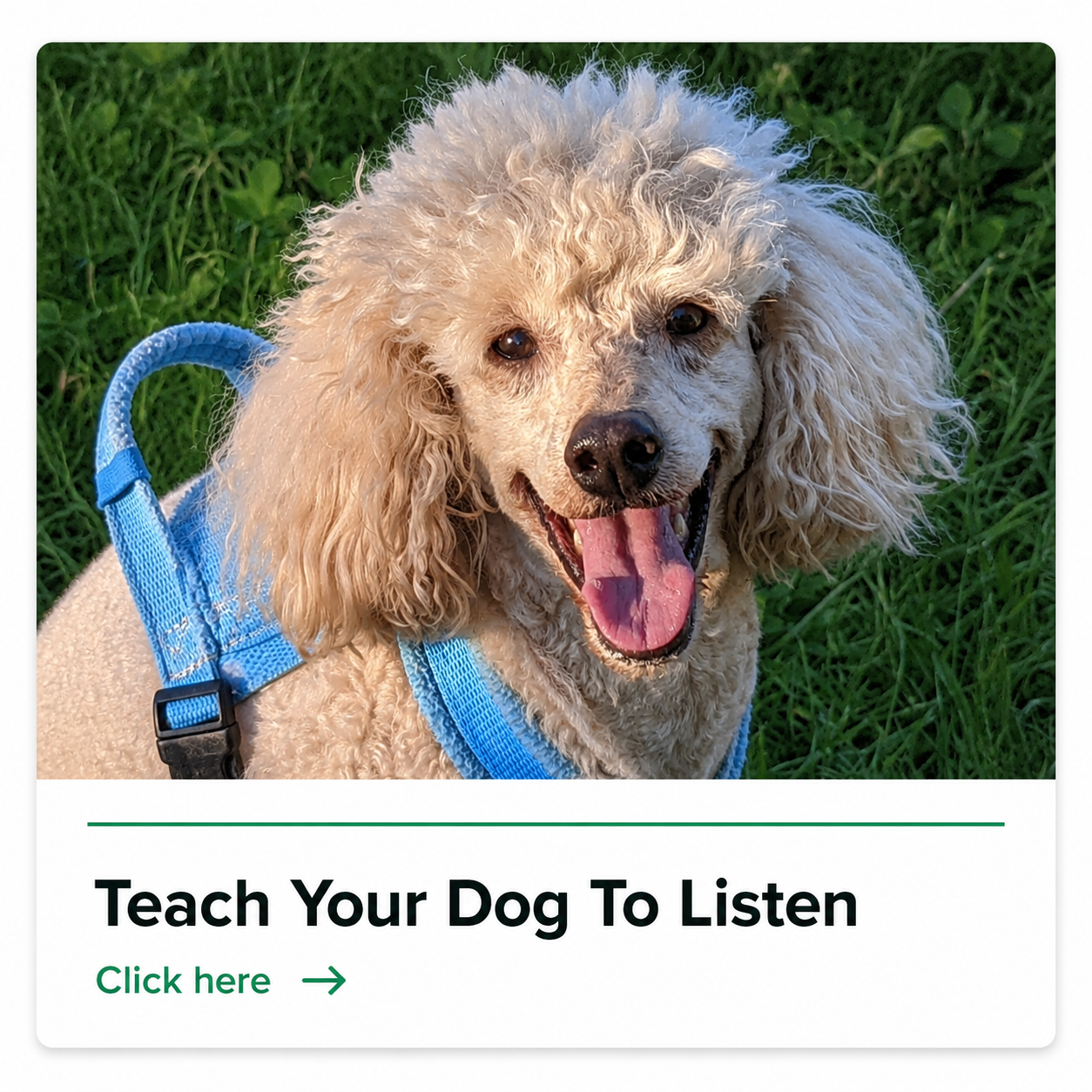
Whatever the cause, you need to get the hair out of their eyes! 

If they can’t see properly they will not be able to make good judgments about what they’re looking at. Getting their focus may be hard, and they will be continually surprised by things just outside their vision.

You can use hair gel (make sure it’s safely lickable), hair grips or bands, shaping with the scissors, trimming with the clippers - or a visit to the groomer. 

But make sure your dog can see clearly.

Check the lugholes!

Working back from the eyes, take a look at the ears. 

Dogs with floppy, hairy ears will suffer from knots and tangles, burrs and thorns, food dried on at the bottom of their ears, and mats tweaking the skin behind their ears (ouch!). 

These can all be fairly easily dealt with with your high-quality scissors. If they’ve got a lot of hair on the underside of the ear you could thin that too.

The vital thing you must check for - especially with the fluffies (all the poodle crosses and suchlike) - is inside the ear canal. If there’s hair growing down inside you must remove it before it harbours grass seeds, mites, and general dirt and junk leading to infections. 

This is where you need your haemostat. It’s shaped like scissors, but the two blunt “blades” clamp the hair instead of cutting it. It’s what surgeons use to clamp veins. You can see it in the Dog Grooming Essentials Guide download you can get below

It’s so much easier than using your fingers to pluck the hair out, reaches in far enough and does the job quickly and efficiently. Your dog doesn’t like it? No, that’s understandable, but he’d like the pain of an ear infection and red, swollen ears even less. So it’s just something that has to be did.


Get your free illustrated Dog Grooming Essentials Guide to show you what you need.

THIS GUIDE IS A BONUS FOR YOU WHEN YOU SIGN UP TO RECEIVE EDUCATIONAL EMAILS AND OCCASIONAL OFFERS FROM ME. YOU CAN UNSUBSCRIBE AT ANY TIME. PRIVACY POLICY

Paws, Knees, and Boompsadaisy

Underbelly: check that the genital areas are free of excess hair, enabling the dog to keep himself clean. 

If you have a fluffy - with constantly-growing hair - you’ll need to shave the area around the anus. Otherwise you’ll have a horrible dried-on mess to deal with!

Dogs with very soft wispy hair will get tight tangles in their armpits and groin, so you can trim the hair a bit shorter with scissors. In the summer they may be glad of much less hair on their belly.

Hold the hair between your first two fingers and keep your fingers between your dog and the scissors.

Lastly, have a look at your dog’s feet. Do they resemble floormops? If so, they’ll be slipping and sliding around when their feet are dry, and slopping mud and mess everywhere when they’re wet. 

Feet!

Lacy's feet before trimming
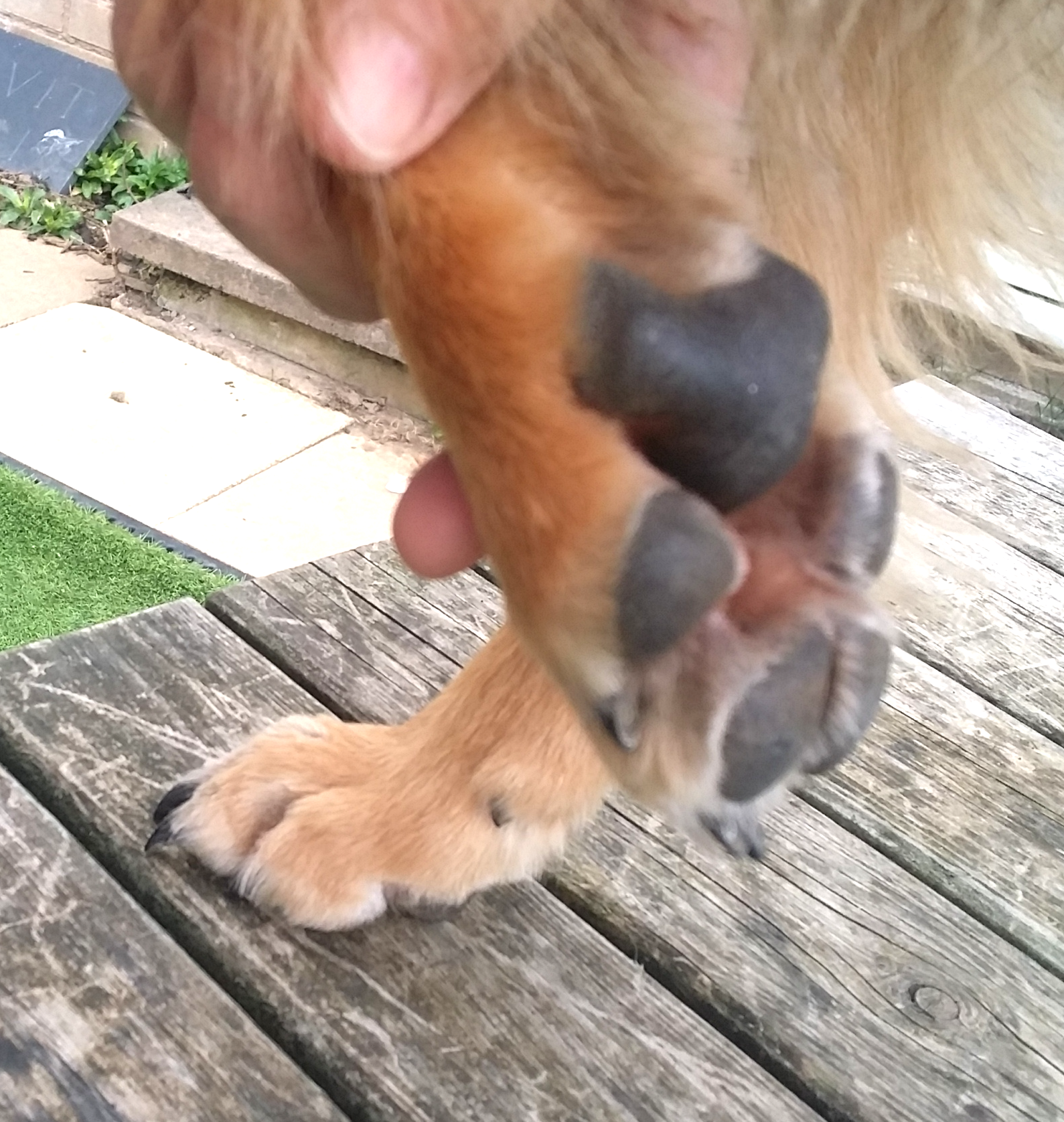
Lacy's feet before trimming

Transformation! Lacy's feet after trimming

Transformation! Lacy's feet after trimming

The tool de rigueur for this job is the trimmer. Often sold for beards, sideburns, etc. it’s safe and easy to use. You can’t snip the webs with it, and I find my dogs enjoy the gentle buzzing sensation it gives them. 

Work down and up between the pads, and finish with shaping the outside of the paw. 

Neat feet will prevent a lot of hazards - including mudpies between the toes, scalds, grass seeds, burrs and thorns. They’ll save you a lot of towelling dry and floor-cleaning. And your puppy will not slither and slip when you ask him to sit on the kitchen floor.

My Border Collies are regularly upside down on my lap having their feet trimmed. Coco Poodle has his feet shaven all over, and looks very trim and smart.

And even Cricket the Whippet has this one hair trimming treatment occasionally - her construction means that she props herself when she sits, so on a smooth floor her front feet slide away from her. So she doesn’t escape my ministrations entirely!

If all of this scares you rigid, find a good dog-friendly groomer and get her to do it. You may be surprised to hear me suggest a “dog-friendly” groomer! But - just like trainers - it’s the way they treat the dog that’s more important (to me) than their skill in trimming him neatly. You don’t want your dog regarding a trip to the groomer like some of us regard a trip to the dentist!

But these maintenance clips really are easy to do and you can quickly gain confidence and get good and efficient at it. Don’t try them all at once! One paw a day, or one ear, will be fine.

And seriously - if your dog is bald, you’ll need special care for his skin to keep it moist and healthy. And in our British winters, he’ll definitely need a woolly jumper!


And don't go without your free illustrated

Guide to Dog Grooming Essentials!
THIS GUIDE IS A BONUS FOR YOU WHEN YOU SIGN UP TO RECEIVE EDUCATIONAL EMAILS AND OCCASIONAL OFFERS FROM ME. YOU CAN UNSUBSCRIBE AT ANY TIME PRIVACY POLICY

Can my dog’s behaviour be affected by me?

When people have a problem with their dog, they tend to see it as a problem with their dog. 

But it takes two to tango! And if your dog is presenting “problem behaviour” you can bet your boots that you have something to do with it.

Yes - it may start with your dog, but it quickly becomes enmeshed with what you do. And sometimes we can make things worse - when we really, really want to make things better. 

An interesting study was published recently, linking the owner’s hormone levels with the hormone levels of the dog in their charge. We’re talking here about Cortisol, known as the “stress hormone” because it’s released during stress. It operates the same way in the dog as in us.

The study, which you can see here, goes into great scientific detail about the links between our anxiety and the anxiety of our dog. Suffice it to say, that if you’re worried, your dog will be worried. And if your dog is worried, then you will be worried. An unholy vicious circle that causes poor behaviour to escalate.

That is, until you know how to handle the situations which have up to now been stressful for you. Once you know what to do, and how to lessen the stress for your dog, your own stress levels will automatically fall. 

Training people and their dogs together

What I find fascinating is how strong the link is between owner and dog. Never be tempted to say “Oh, it’s just a dog.”

This bond between dogs and humans is what enables the astonishing feats which we are beginning to take for granted - an assistance dog being able to predict an impending attack in an owner who suffers from certain conditions, for example. Seizure Alert Dogs help many people manage their epilepsy. And there are other diseases which cause dangerous imbalances which these dogs can anticipate, giving their owner the time to find a safe place and take their medication.

So if this link is so strong between us and our pooches, it brings into question the idea of having someone else train your troublesome dog for you.

The best trainers (by that I mean enlightened force-free trainers who understand the science of Learning Theory and what actually makes beings tick) spend a lot of time training the owner to view their dog differently. Some of my private training sessions, for instance, focus almost entirely on the owner’s state of mind. Any training I do with the dog is there to help the owner understand how to relate to their dog, rather than me training the dog for them.

And this calls into question the popularity of residential training for dogs - sending the problem dog away to a trainer who will fix the dog for you. It may be effective insofar as the dog can be taught new ways to respond to what he previously found overstimulating or frightening. But if handed back to an owner who has not had the benefit of this training - for themselves, not for the dog - there is not going to be very much change.

A quick handover session is not going to be enough to fundamentally change how a person views their dog - or their dog’s supposed “problem behaviour”. It’s no use doing magical training with the dog if the person the dog has to live with has not changed.


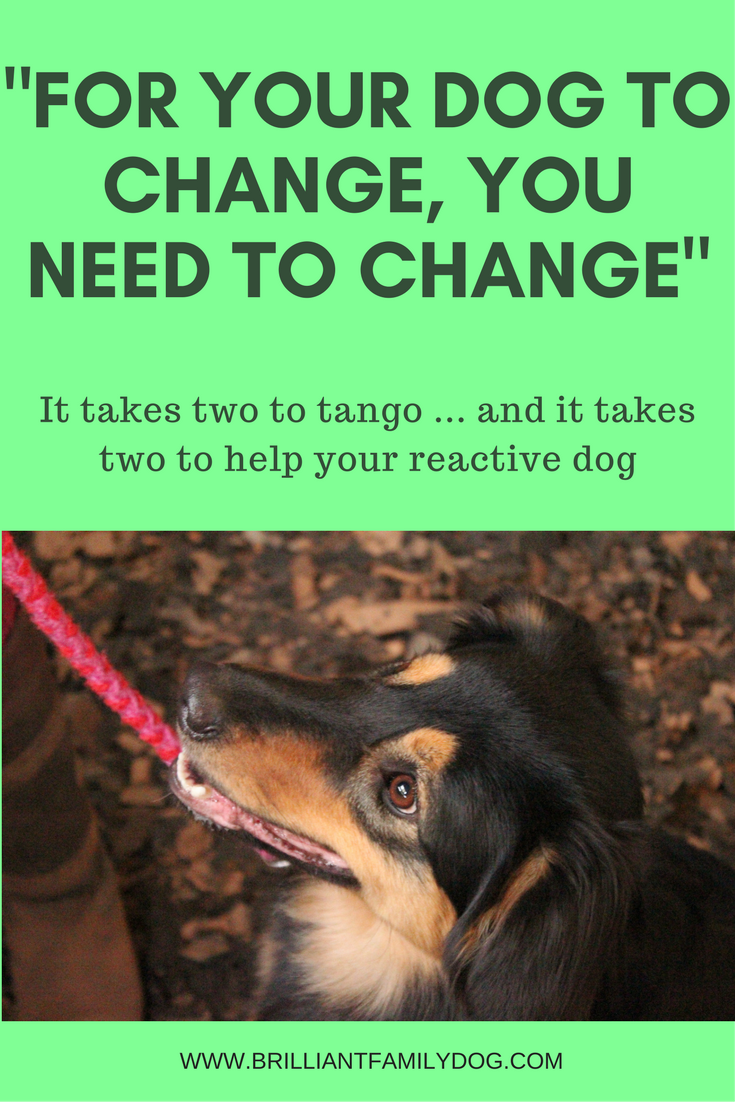
For your dog to change, you need to change


Learning to cope with a dog’s “problem behaviour” - often the dog’s inability to function freely in our world, manifested as reactivity or anxiety or aggression - needs a fundamental shift in the owner’s perception. If you don’t understand why your dog is kicking off at the sight of an advancing person, or a piece of litter on the ground, you will be caught unprepared and unable to change the situation. That’s enough to make anyone anxious! 


Want to learn what Lacy learnt? Get our free e-course here and get started!

THIS E-COURSE IS A BONUS FOR YOU WHEN YOU SIGN UP TO RECEIVE EDUCATIONAL EMAILS AND OCCASIONAL OFFERS FROM ME. YOU CAN UNSUBSCRIBE AT ANY TIME.
Privacy Policy

Control is not understanding

In society, our response to someone misbehaving is to put more controls on them. Restrict them, restrain them, prevent them. And so when confronted with a problem with our dog, we can have a knee-jerk reaction and follow the same process. 

But more control is not the answer!


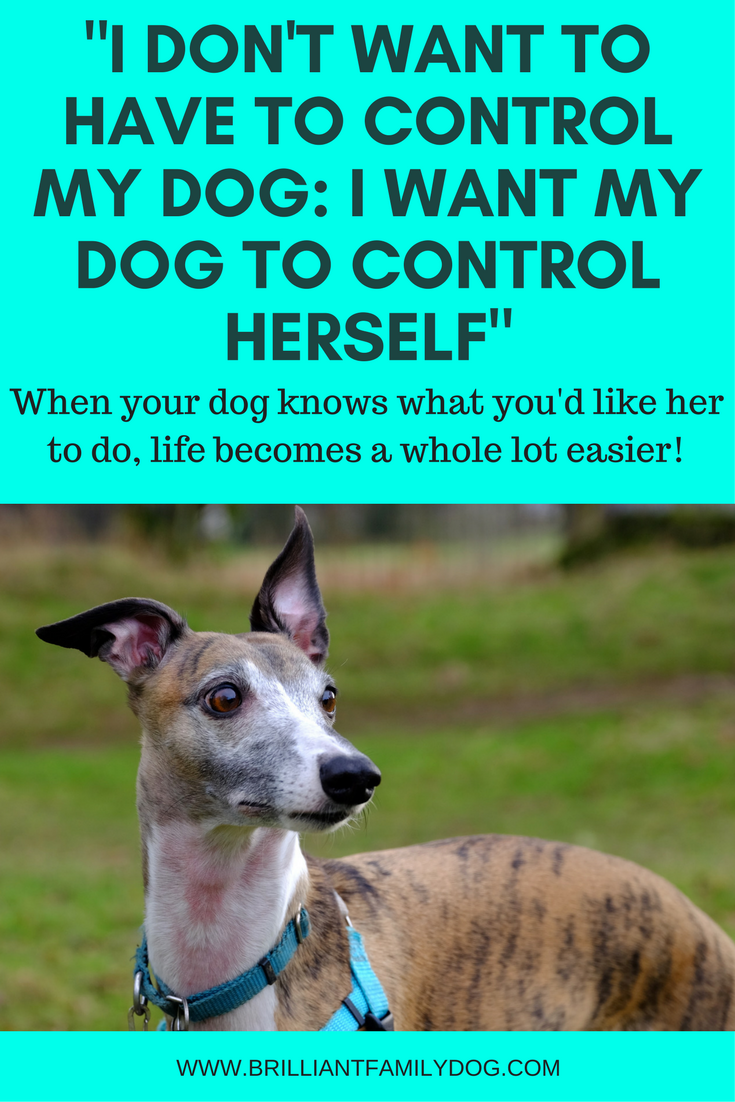
I don’t want to have to control my dog - I want my dog to control herself.


Teaching your dog to control herself is going to require understanding from you - understanding what the problem is exactly (it may not be what you think it is - dogs are not humans) and why your dog is doing what she’s doing. Only then are you in a position to effect a change.

Most of us have busy lives. We got our pet as a companion to make our days more enjoyable, not to make them harder! So perhaps the easiest way for you to make the changes you may feel are necessary, is to find yourself a first-class, well-qualified, force-free trainer who will be able to teach the both of you. 


All “trainers” are not created equal

You’ll need to do some research to find someone reliable - but they are  there. You’ll find a list at the end of this post which will get you going in the right direction. Avoid anything that talks of Pack Theory, Dominance, or (the worst deception of the lot) “Balanced training”, which effectively means that they reward with one hand and punish with the other. 

And if you’re naturally an anxious person - think how learning how to alleviate your dog’s anxiety will help you to relax and feel better able to cope. Now your dog really will be fulfilling the role of companion and helper! You can both forge forward together.


You can start off looking for help with a free email course here, and you’ll find some very accessible books (no science or jargon!) right here.

As ever, add your thoughts in the Comments below, or contact me direct here.


Is your dog throwing up more challenges than you anticipated? Watch our free Masterclass and find how to change things fast!

For your dog to change you need to change
I don’t want to have to control my dog: I want my dog to control herself

Is my dog a reflection of me?


When we first visualise adding a dog to our lives, we conjure up an image, an impression, of what life will be like. 

You may have been looking at this project being super-rational, coldly calculating, rigidly sensible … until this image washed over you -

  • of striding across a rugged landscape with your trusty friend at your heels.

  • Or perhaps it was sitting knitting in front of an open fire, with your little fluffy pet on your lap.

  • It could be that you saw yourself racing round an agility ring with your perfect pooch flying over the jumps to much applause.

  • Or maybe you had an image of your friendly dog playing endlessly with the children, and the children’s friends, and their cousins, and their dogs.

Whatever it was you imagined, this dog was destined to enhance your life, to show off your natural talents as - an outdoorsy type, a homely comfortmaker, a sporty competitor, or the quintessential earth mother.

This is all great and wonderful, and for some of us that will have come true. 

We choose to have a dog to enrich our lives

But as any parent will know, once the much-anticipated creature (whether baby or puppy) arrives, it’s a different story! This little person has her own character, her own history, and her own opinions. Shaping a baby to become the kind of adult we’d like takes us twenty years (“Only twenty?” I hear you cry!). Fortunately it’s a lot quicker with a dog. 

I’d expect my pup to arrive at the kind of dog I’m aiming for by the age of about three or four. Up to then you’re in teaching mode. 


It is a truism that your dog’s behaviour is a direct reflection of your training.


With dogs it’s very much a case of you get out what you put in. And to get the best from your dog you need to be open to his suggestions of what works for him. To have harmony in the home, with a pet who knows his boundaries, you’ll be investing plenty of time in early training.

Don’t wait till things are going wrong! By the time your puppy is adolescent (around 6-9 months) and running wild, it is too late. That is a common age for dogs to be given up for rehoming. It’s the dog’s behaviour that will dictate how he fits in with his family - and ultimately whether he lives or dies. Many more dogs die because of poor training (failure to recall near a road, apparently aggressive behaviour because of lack of early socialisation, boisterousness, impetuousness) than from the illnesses that people are so afraid of.


Spending time and effort on vaccinations is pointless if you don’t put the same care into your training program!


Fortunately it’s becoming increasingly easier to find a force-free trainer to help you start your new dog the right way. Look for one who belongs to the APDT (UK), or the Karen Pryor Academy, and who has credentials you can look up and study. Avoid anyone who talks of “Pack Theory” “Dominance” “Keeping your dog in his place” and, of course, anyone who uses nasty equipment. If you wouldn’t use it on your small child, then no-one should have it near your dog.

Happily ever after

Dog training, new puppy, puppy training, dog behavior | Train with kindness and your dog will repay you for the rest of his life | FREE EMAIL COURSE | #newpuppy, #dogtraining, #puppytraining, #dogbehavior | www.brilliantfamilydog.com

This will all pay off when your dog is mature, confident, knows exactly what goes down well with his family and what is best avoided. 

By then, you’ll have found out what you really want in your partnership. You can discard the glossy magazine images that paraded before you when you were planning your dog’s arrival, and factor in your dog’s character, your own character, and the nitty-gritty of daily life. 

Maybe you do go for those bracing hill walks; maybe you’re becoming an agility star; perhaps your dog is your rock and support; maybe she’s the perfect family dog.

But maybe not.

  • Maybe she got an injury which precluded her from being a performance dog.

  • Maybe she’s made it clear she’d far rather curl up and sleep than tramp across the moors.

  • Maybe she’ s had enough of noisy children and prefers peace and quiet - that’s her choice.

And you work with the dog you have, to ensure that she has the happiest life possible. So you may have to put your hopes and plans on the back burner and give this dog a life that suits her. 

How often do you see a child from a sporty family end up as a musician, or an accountant? How about the academic family who are frustrated because their children become hippies or horse trainers?

Our dogs, like our children, are individuals. We can nurture their talents and rejoice in their creativity. The only reflection of us we need to see in our dog is the love in those big brown eyes. The rest is an adventure.


RESOURCES:

Fix everyday dog problems fast - free email course

APDT(UK)

KPA

VSPDT

IMDT

CBATI

PPG


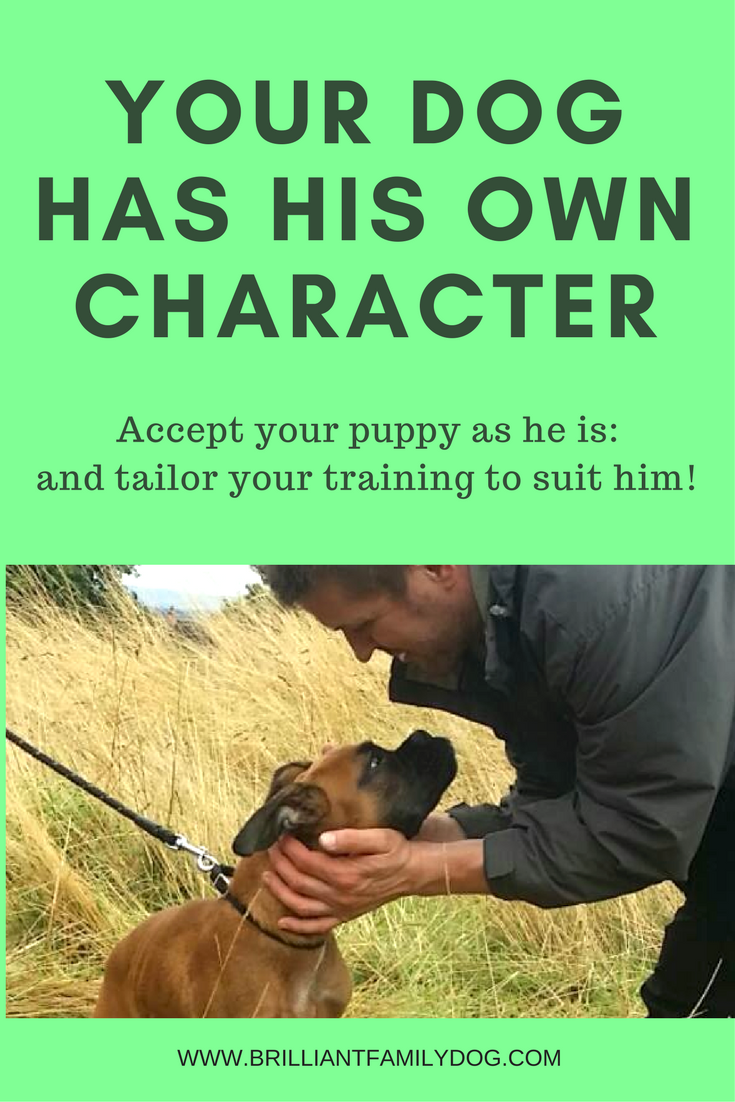
Your dog has his own character

Want to turn your dog into a star retriever? Check Fetch it! Teach your Brilliant family Dog to catch fetch, retrieve, find and bring things back! and enjoy a new relationship with your dog.

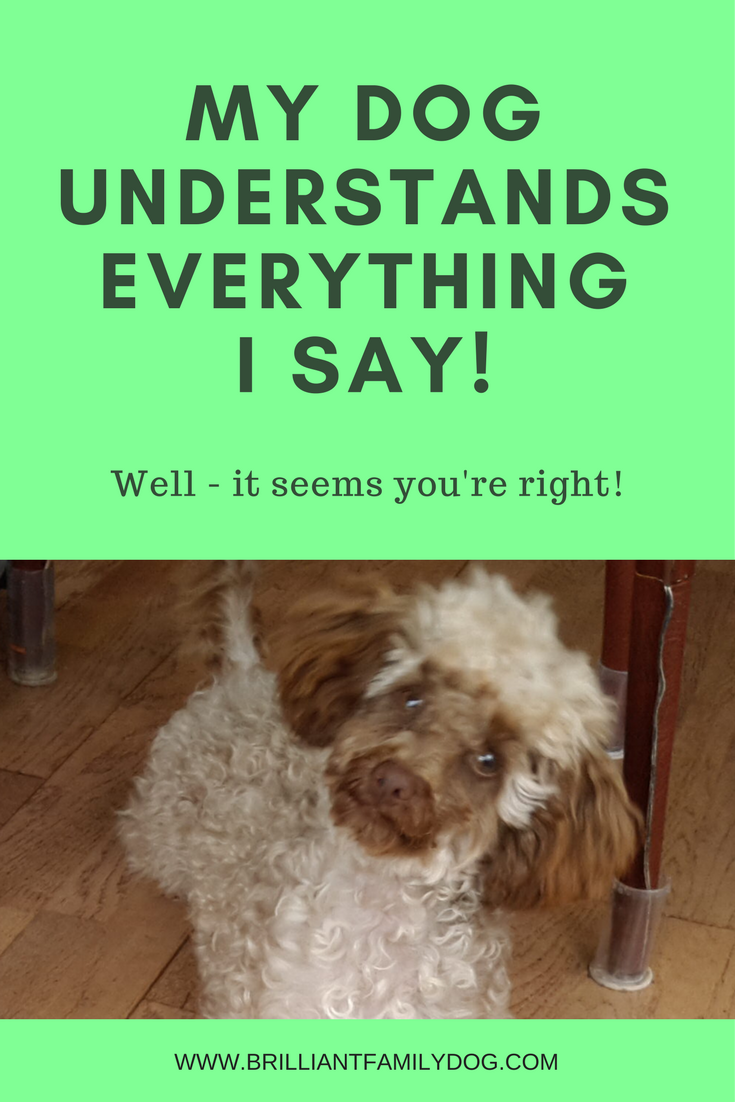
“He Understands Everything I Say!” 6 Pointers to Better Communication


Our vision of the speaker is a fluffy old lady cuddling her equally fluffy old dog. We smirk as she says this - what a lot of nonsense!

But wait! Maybe not so nonsensical!

Recent research has shown that not only do dogs process speech in a similar way to the way we process speech, but they also process emotions in those sounds - just as we do. Their brains are actually wired for sounds the same way ours are - pointing to our common ancestry over 100 million years ago. Add that we have been sharing our lives with each other for the last 18 - 32,000 years and we’ve kinda got used to each other. 

Do you want to bark at your dog?

Many people think that to communicate with their dogs they have to give sharp, abrupt “commands”, eliciting instant compliance. They have been misled by waves of tv personalities who have encouraged this dysfunctional, one-sided, relationship.

While clarity is important to avoid confusion, switching to the sort of conversation we have with our friends and families - especially what we do with as yet non-verbal small children - actually conveys more information to your dog. 

"Dogs and humans share a similar social environment," says Attila Andics of MTA-ELTE Comparative Ethology Research Group in Hungary. "Our findings suggest that they also use similar brain mechanisms to process social information. This may support the successfulness of vocal communication between the two species." 1

If I’ve asked my dog to lie down, and after a while he forgets and moves off, rather than yell DOWN at him, I ask him in a quiet inquisitive voice, “What were you meant to be doing?” My dog pauses for a moment, processes both what he’s heard and the way it was said, and returns to lying down.

“The results do indicate that they don’t just pay attention to who is speaking and their tone of voice – they also, to some extent, hear the words we say.” says Victoria Ratcliffe, Doctoral candidate in Psychology at the University of Sussex. “So even if he doesn’t always respond, he is listening.” 2

We don’t yell single-syllable commands at people the same way we think we’re meant to yell at our dogs. We don’t say to our visitor, “Come in. I said Come in. Come IN! Get through that door NOW!” We focus on making the other person feel comfortable - and may smile, say “Come in,” make a welcoming gesture with our arm, perhaps make a whole body movement while we stand aside for them. It is the entirety of our communication that conveys information to our visitor. Standing rigid while barking abrupt commands would leave your guest confused and alarmed.

Good force-free trainers (not to mention millions of devoted dog-owners) know that speaking to your dog as a person is not only effective at getting your message across, but does it in a way that enhances your relationship while keeping your blood pressure down!

What do I do?

Here are a few steps you can take to change your approach to communicating with your dog.

1. Are you sure he knows what you mean?

Does your dog actually know what SIT means? People often expect their dog to arrive with a load of behaviours installed. Remember that when your new pup arrives, you are getting Dog 1.0 - the basic version, not the pre-programmed one. You have to provide all the add-ons and upgrades!

2. Pair your sound with his action.

The quickest way to teach a dog a word is to pair that word with his action. So you say SIT quietly while his bottom is going to the floor. You are labelling that movement as “sit”. Keep repeating this whenever he sits till he gets it, and you can say SIT and he’ll sit straight away. No need for wagging fingers or menacing body language. Just a soft voice will do.

3. Now you can sound like a human being and not a robot.

Once he’s got this, you can ask him to sit in a pleasant friendly way: “Would you sit over there?” “Sit down now, there’s a good boy.” “Come and sit beside me.” will now all work. I’m not saying he understands every word you are saying, of course, but he will certainly understand the gist and the underlying emotion. He may need to try a couple of things to see if that’s what you want. He may lie down instead of sitting. That’s ok - you’re not in an obedience competition.

4. Zip it!

Say it once, then zip it! Don’t rabbit on, repeating yourself. So if your dog is distracted when you ask him to sit, you don’t need to escalate your “sit, SIT, SIT!” and show frustration. Try a quiet “Did I ask you to sit?” or “What do you think you should do now?” It may amaze you, but you will most likely get a thoughtful response from your dog. Don’t forget to reward him warmly when he obliges!

5. Watch the Children.

Children can undermine your training by endlessly repeating your dog’s name. They like to roll words around in their mouths like fine wine and move into a sing-song litany. They may be “fighting” each other for the pup’s attention, or they may just have slipped into a habit of calling the dog without following through. Fran was continually calling her puppy’s name on one of our Puppy Walks, then ignoring the dog and wandering off. So I called her over and said “Fran,” “Fran,” “FRAN,” “Fran-NEE,” “Fran?” She grumpily said “What?!” It took her very little time to get annoyed and impatient with me, which demonstrated nicely what she was putting her dog through. She was expertly teaching him to ignore not only his name, but anything else she said!

6. Conflicting information.

Evidence that dogs take in the whole picture and not just an isolated sound is that if you make a sound and a signal simultaneously your dog will tend to miss the sound completely and follow the signal. As a non-verbal species dogs have a sophisticated body language to communicate with each other, so when there’s a conflict of information they will tend to choose what they see over what they hear. Hence in no.2 above, focus on the sound and don’t add extraneous body signals. If you always bend over or look like the Statue of Liberty when you say “sit”, your dog is going to be mightily puzzled when you say “sit” without your accompanying movements. You can always add hand signals later if you need them.

Was the Fluffy Old Lady Right?

You may not want to be a fluffy old lady or have a fluffy old dog, but at least that lady and her dog are happy and content with each other!  

Nobody wants to live in a war zone, and not many wish to live in a military bootcamp. More and more countries round the world are declaring dogs and other animals to be sentient beings, not property, and their laws are being changed accordingly. This is a huge advance for our so-called “civilised society”. (Here in the UK, dogs are still possessions, like a chair, or a teapot.)

Cast off the shackles of what some tv “trainers” have advocated, and behave like a friend to your dog, not a prison guard. 


For more insights into communicating with your dog, get our free email course which solves many common puppy and dog problems for you - all without force of any kind.

And if you’ve enjoyed this, you’ll love the ebook series Essential Skills for a Brilliant Family Dog


Is your dog or your little puppy throwing up more challenges than you anticipated? Watch our free Workshop and find how to change things fast!

Sources:

1. Attila Andics, Márta Gácsi, Tamás Faragó, Anna Kis, Ádám Miklósi. Voice-Sensitive Regions in the Dog and Human Brain Are Revealed by Comparative fMRI. Current Biology, February 2014 DOI: 10.1016/j.cub.2014.01.058

2. Victoria F. Ratcliffe, David Reby. Orienting Asymmetries in Dogs’ Responses to Different Communicatory Components of Human Speech. Current Biology, November 2014 DOI: 10.1016/j.cub.2014.10.030

My dog understands everything I say

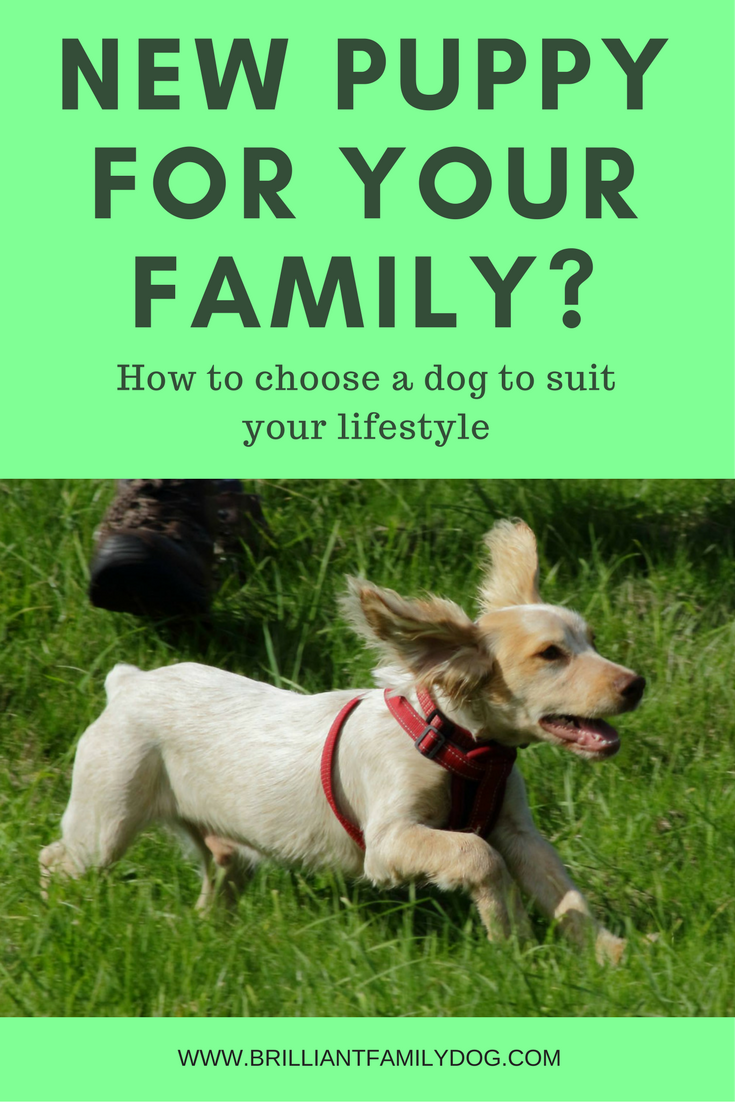
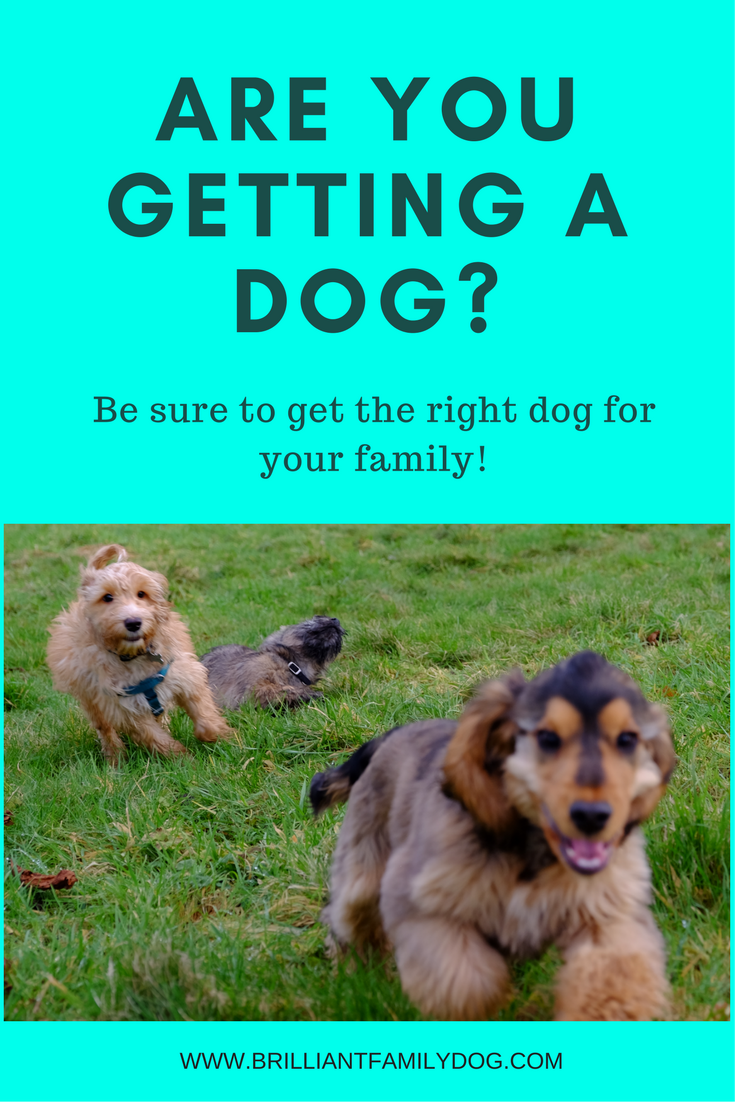
How to choose a dog to suit your lifestyle


“It’s so difficult,” she went on, “he never seems to run out of energy! It’s wearing me out.”

“I guess you were expecting that, as you chose a Working Cocker Spaniel?”

“Oh no - I had no idea! Is that why he’s like he is?”

I wish I had a pound for every time this conversation gets repeated. It’s a shame, because the lady here was well-intentioned. 

Maybe she chose her puppy because she liked his looks; maybe a friend has an older, quieter, spaniel which she liked; maybe it’s because this particular breed is currently fashionable as it has royal approval.

Whatever the reason, she made a wrong choice! For her lifestyle she’d have been better off with a quieter, slower dog, one bred as a pet, not a working breed. 

Working Cockers are smashing little dogs, but they’re bred to go all day in the field, at high speed, through scrub, water - anything they’re put to. Teaching them an off-switch takes some skill. They can even be too much of a handful for some agility enthusiasts, though there’s no doubting their speed and commitment to the task. So this really is unlikely to be a good choice for a first-time puppy-owner - a complete novice with dogs.


What breed is right for me?

There’s no “right breed”. While you can make a general description of a breed’s temperament, there can be huge variation in individuals. The UK Kennel Club has a breed-finder tool which may give you a start. 

There are, of course, crossbred puppies you’ll find in family homes or in shelters. Then there are the “designer dogs” bred for money. See this article on designer dogs to get an idea of what you may expect there. Don’t get confused over the allergy thing either. If a dog is a cross with a non-shedding breed, there is no guarantee that your puppy will not shed, and may do so plentifully! While these crosses may sound attractive (largely because of their cute names) they may be a mixture of two breeds, neither of which are suitable for your home! Mixing them together is not going to diminish their behavioural characteristics. 

Get our free download to help you see the different characteristics of different breeds - and what a combination could result in!

THIS FREE ECOURSE IS A BONUS FOR YOU WHEN YOU SIGN UP TO RECEIVE EDUCATIONAL EMAILS AND OCCASIONAL OFFERS FROM ME. YOU CAN UNSUBSCRIBE AT ANY TIME.
Privacy Policy

So before you start looking for a breeder for your new dog, you must narrow down the breed or type to fit your requirements. You need to be scrupulously honest about this! Dreaming about 10-mile hikes over the hills, when the last time you walked more than a hundred yards was when the shopping centre car park was particularly full, is unrealistic.

Start from where you are. List what you do now, and what you’d like to do with your dog, and make sure the lists match. If you are particularly houseproud, for instance, it’s important that you choose a dog that doesn’t shed year-round, or fling strings of saliva across the room whenever they shake their head. If your house is tiny, perhaps a tiny dog would be a good option. If you have small children you need a dog with an excellent temperament and an off-switch. While being calm can be taught - there's a book here to take you through the steps - it does help to be working with a puppy whose ancestry allows him to calm down.

If you have a hankering to do agility with your dog - then visit some agility events and talk to the people there. Explain you’re a beginner. You’ll get some very useful advice, and you’ll learn a lot from what you see. You don’t start your car-driving career with a Ferrari, so start with something a bit more biddable and you can grade up to a more energetic individual as you become more skilled.

Whatever puppy you choose, you won’t be doing any of those 10-mile walks for a year or so anyway. Babies need to grow their bones and strengthen their joints and muscles with play and light exercise before building up a training regime.

And, of course, all of this doesn’t only apply to Working Cocker Spaniels! They are a delightful little dog, but like all dogs, they need to be in the right home. 


Homework time

High-energy puppies!

High-energy puppies!

The key message here is to “do your homework”! It’s not fair to your new puppy or dog to have to try and fit into a totally unsuitable home. This will lead to frustration all round. And you may find yourself doubting your decision to get a dog for a companion, which would be very sad. 

By all means go for a rangy working dog that needs a lot of exercise and mental stimulation, if you are able to furnish that. But whatever you choose, do keep in mind that the dog looks as it does because of what it’s been bred to do - through many generations.

There is a splendid sculpture on the hills near my home, of two buzzards landing - claws forward - possibly on their prey. A passer-by said to me, “I don’t like that sculpture - they look too vicious.” No doubt to their prey they do look vicious, but it’s because of their purpose that they look as magnificent as they do to us. They are efficient hunters and killers, and everything about them is designed to make that work. 

Your dog has been bred for purpose. So that efficiency is represented in his shape and behaviour. If you don’t want to bother to train a recall, then avoid a dog that can cover 200 yards in 12 seconds! (Only kidding, you need to train a recall with any dog.)


A dog fit for purpose

And while you’re looking at a dog of any breed, be sure to check up on its parents’ health record. Breed societies and national kennel clubs have stringent guidelines for health assessments for breeding animals. Since the appalling scandal in the UK when it was shown that the majority of Cavalier King Charles Spaniels are affected by a distressing and painful degenerative brain disease, the UK Kennel Club has focussed more on this. See their breed health guidelines here

So some breeds have particular problems with, say, Patella Luxation, Hip Dysplasia, maybe Progressive Retinal Atrophy or other eye problems. You need to have sight of the certificates showing their score on the relevant tests, and know how to understand that score. These tests are not cheap, and breeders who can show you evidence of going to this trouble and expense are demonstrating their care for the animals in their charge. 

And just because you’re getting a crossbreed, with some extra hybrid vigour thrown in, don’t think you can skip these tests! If one parent has poor hips, there will be a high chance of your puppy developing such a condition. Not when he’s old - maybe in his first year.


We owe it to our new charge to ensure the best start possible for him.


There is a dog out there that is perfect for you and your family! Research has never been easier. Spend some time in the planning of your new puppy and that will pay you back for the rest of your dog’s life.


And once you have chosen your new puppy, you can avail of all the resources to help you start right. Check out the other posts under the  Puppies & Dogs tab above, and be sure to start following the free email course for new dog-owners.

Is your dog or your little puppy throwing up more challenges than you anticipated? Watch our free Workshop and find how to change things fast!


How to choose the right dog for your family

Books to help Growly, reactive, fearful, and aggressive dogs


I'm excited to be able to announce the release of my new book series! 

Essential Skills for your Growly but Brilliant Family Dog

Many of you have been waiting for quite a while - so now your patience is rewarded. You can read all about them under the Books tab at the top of the page.


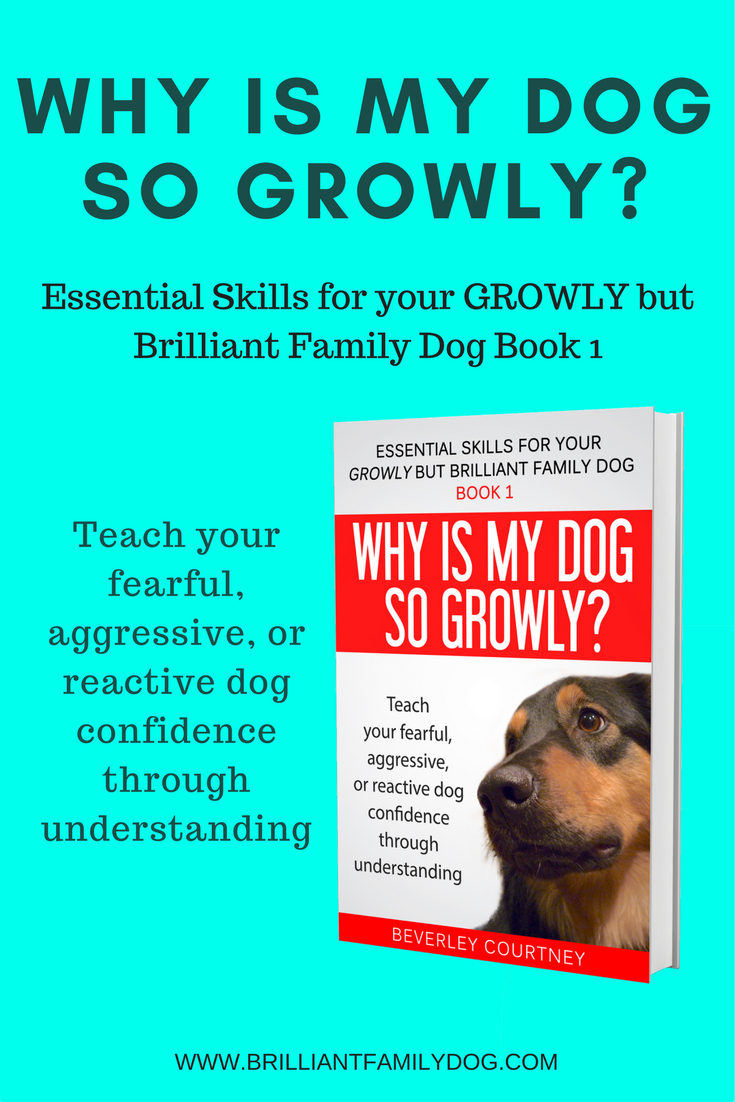
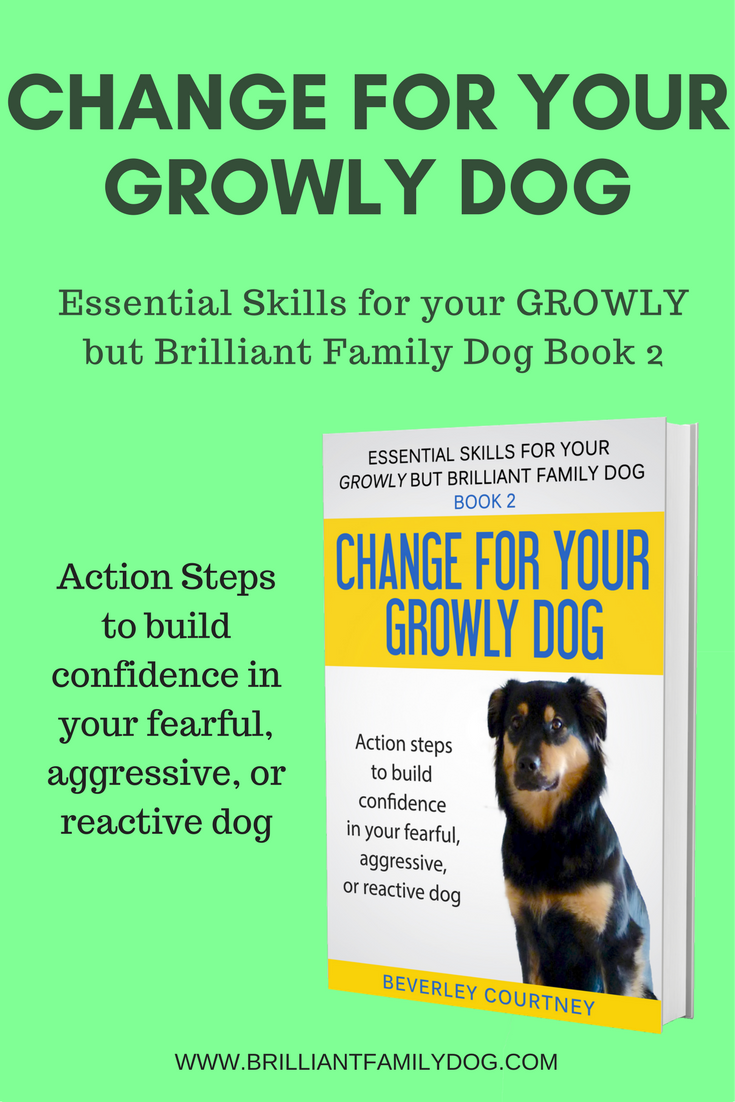
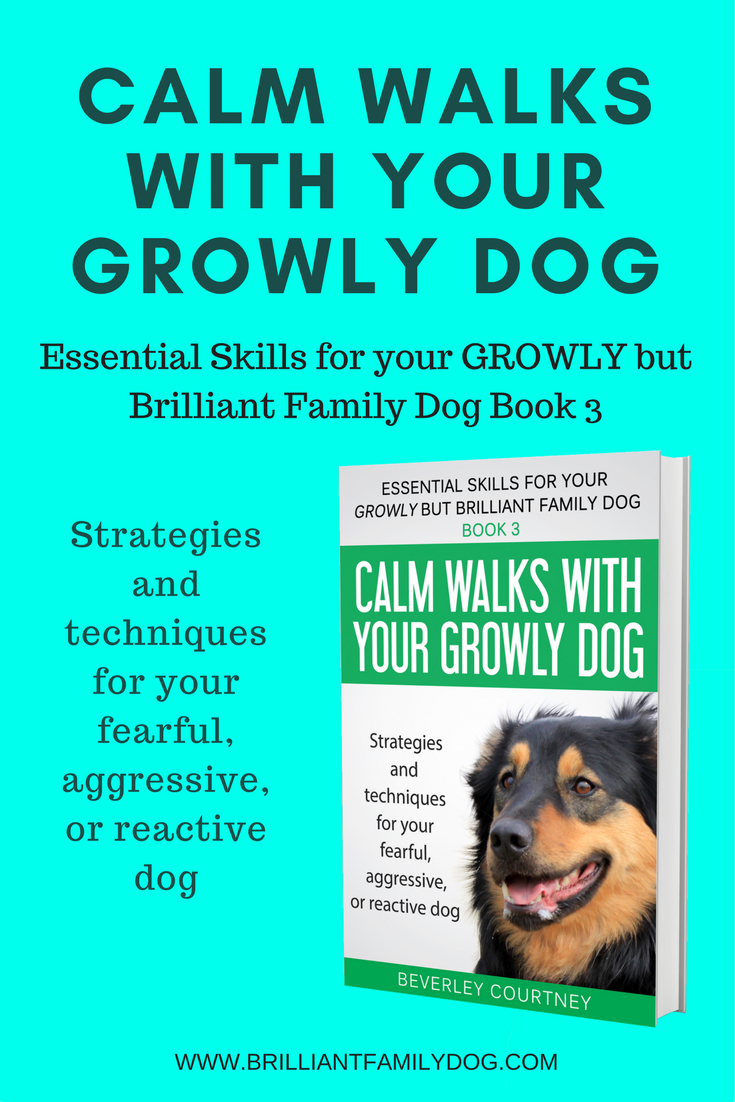
You'll see just how they can help you understand your Growly Dog - why she's doing what she's doing (that's all in Why is My Dog So Growly? Teach your fearful, aggressive, or reactive dog confidence through understanding (Essential Skills for your Growly but Brilliant Family Dog, Book 1) - and how you can change things simply and fast - Book 2 is called Change for your Growly Dog! The third book in the series Calm Walks with your Growly Dog gives you solid techniques for making your walks calm and joyful once more.


You can get them in e-book or paperback format - and no, you don't need a special gadget to read them. Check out Amazon for their free Kindle app which enables you to read any e-book on any device.


They were carefully "tested" on people just like you - who have a dog they love dearly, who is a pet inside the house, then grows horns as soon as you go out!


Have a look at what these readers thought: 


I found the books remarkably accurate with respect to the behaviours that you have outlined. It was like you have been living here and observing our dogs’ behaviour! The way you explain how to train the dogs is in a no-nonsense way that doesn't preach but actually empathises with the problem at hand.

Nazia and her five dogs


I am thoroughly enjoying the books and learning a lot. Really felt as if you were personally talking to me.

Carolyn and Jess


I have enjoyed reading your growly books, and I have learnt an awful lot about dog behaviour. There is so much information in these books that I can see I will be reading them again and again.”

Debbie


I'll let the books speak for themselves


Essential Skills for your GROWLY but Brilliant Family Dog - Book 1
Essential Skills for your GROWLY but Brilliant Family Dog - Book 2” /></div>


<div style= Essential Skills for your GROWLY but Brilliant Family Dog - Book 3